Your roof does more than keep rain out. It plays a crucial role in controlling your attic temperature. When you replace your roof, you can dramatically improve how your attic manages heat. This change affects your entire home’s comfort and energy costs.
Understanding Attic Temperature Problems
Attics often become extremely hot or cold. During summer, attic temperatures can reach 150 degrees Fahrenheit or higher. In winter, they can drop below freezing. These extreme temperatures happen because old roofs lack proper materials and ventilation systems.
Heat transfer occurs through three methods: conduction, convection, and radiation. Your roof experiences all three. Additionally, poor insulation allows heat to move freely between your attic and living spaces. This creates uncomfortable rooms and high energy bills.
How Roof Replacement Changes Temperature Control
A new roof installation provides multiple temperature control benefits. Modern roofing materials reflect more sunlight than older options. This reflection reduces the amount of heat entering your attic space. Therefore, your cooling system works less during hot months.
Furthermore, roof replacement allows contractors to install proper ventilation systems. Ridge vents, soffit vents, and attic fans work together to create airflow. This airflow removes hot air naturally. Consequently, your attic stays cooler without using electricity.
Modern Roofing Materials and Their Benefits
Today’s roofing materials offer superior temperature management. Cool roof shingles contain reflective granules that bounce sunlight away. These shingles can reduce roof surface temperature by 50 to 60 degrees compared to traditional options.
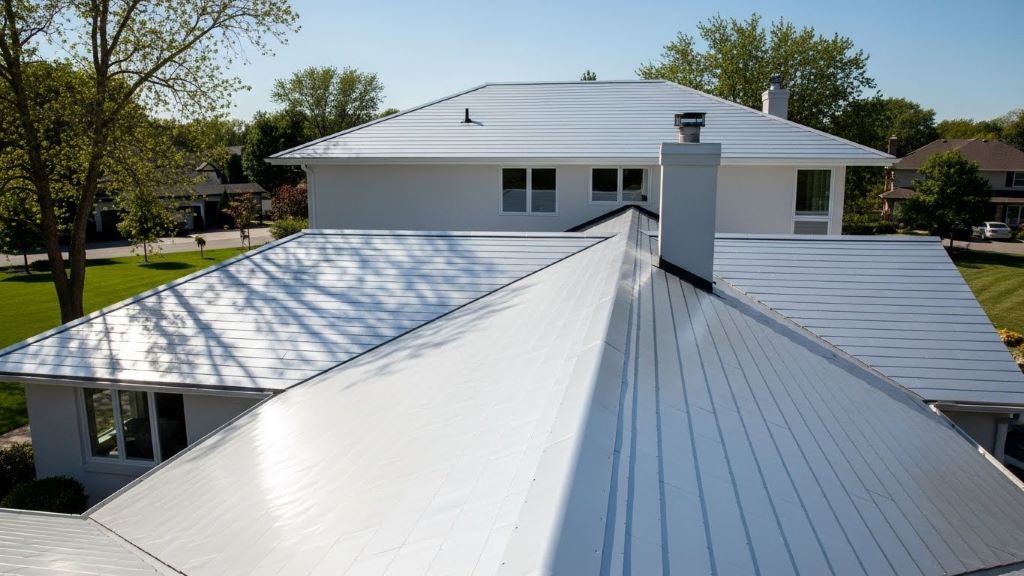
Metal roofing provides excellent heat reflection properties. The smooth surface and light colors prevent heat absorption. Moreover, metal roofs include air gaps that allow heat to escape easily. This design keeps attics significantly cooler than asphalt shingle alternatives.
Tile roofs create natural ventilation through their installation method. Air circulates beneath the tiles, preventing heat buildup. However, tile roofs cost more initially but provide decades of temperature control benefits.
The Role of Roof Color in Temperature Management
Roof color significantly impacts attic temperature. Light-colored roofs reflect up to 80 percent of sunlight. Dark-colored roofs absorb most sunlight, converting it to heat. This difference can change attic temperatures by 20 to 30 degrees.
White and light gray roofs work best in hot climates. They keep attics cooler throughout the year. Meanwhile, darker roofs might benefit cold climate homes by absorbing winter sunlight. Therefore, choose your roof color based on your local climate needs.
According to research from the Department of Energy, reflective roofing can reduce cooling costs by 10 to 15 percent annually. These savings add up significantly over your roof’s lifespan.
Ventilation Systems During Roof Replacement
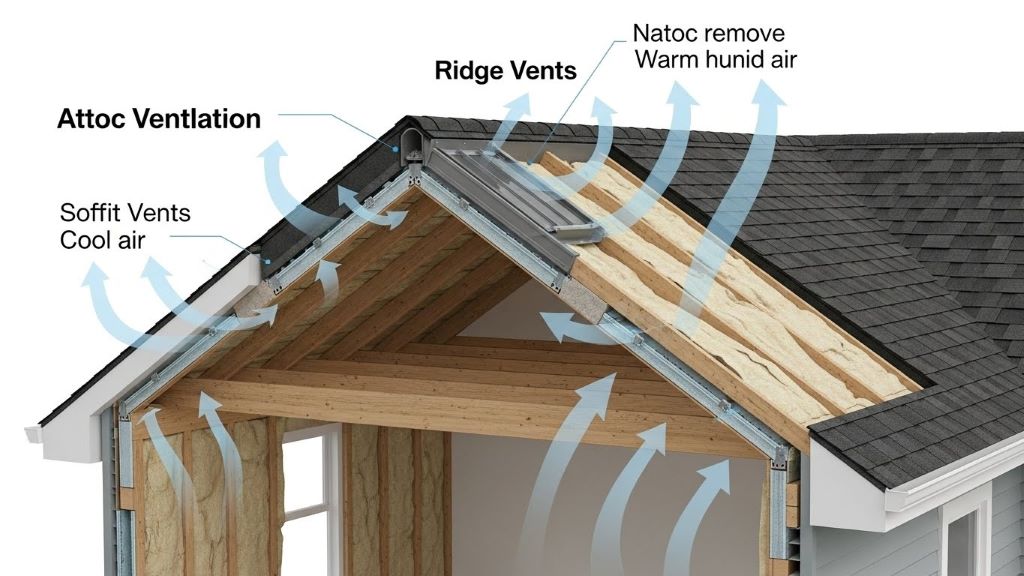
Proper ventilation makes roof replacement truly effective for temperature control. Contractors should install both intake and exhaust vents. Intake vents along the soffit allow cool air to enter. Exhaust vents at the ridge let hot air escape.
The balanced system creates continuous airflow. This process naturally removes heat without mechanical assistance. Additionally, proper ventilation prevents moisture buildup that damages insulation and roof structures.
Ridge vents run along the roof’s peak, providing constant exhaust. Soffit vents sit under the roof’s overhang, drawing fresh air inside. Together, they create a chimney effect that pulls hot air upward and outward.
Insulation Upgrades During Roof Work
Roof replacement offers the perfect opportunity for insulation improvements. Contractors can access areas normally hidden from view. They can add or replace insulation in hard-to-reach spots.
Modern insulation materials provide higher R-values per inch. This means better temperature control with less material. Spray foam insulation seals gaps completely, preventing air leakage. Consequently, your attic maintains more stable temperatures year-round.
Radiant barriers installed under new roofing block heat radiation. These reflective materials can reduce attic temperatures by 30 degrees during peak summer heat. However, they work best when combined with adequate ventilation and traditional insulation.
Energy Savings from Better Attic Temperature Control
Improved attic temperature control directly reduces energy costs. Your heating and cooling systems run less frequently. This decreased usage lowers monthly utility bills substantially. Many homeowners see 20 to 30 percent reductions in cooling costs after roof replacement.
Furthermore, HVAC systems last longer when they work less. You avoid expensive repairs and premature replacement costs. The initial investment in quality roofing pays back through these long-term savings.
Energy Star estimates that proper roofing and attic ventilation can save homeowners hundreds of dollars annually. These savings continue throughout your roof’s entire lifespan, typically 20 to 50 years depending on materials.
Impact on Home Comfort Levels
Better attic temperature control improves comfort in rooms below. Upper floor bedrooms stay cooler in summer and warmer in winter. You experience fewer hot and cold spots throughout your home.
Additionally, consistent temperatures mean less strain on your HVAC system. Your air conditioning or heating maintains set temperatures more easily. This results in steadier indoor conditions and better air quality.
Reduced attic heat also protects stored items. Extreme temperatures damage boxes, holiday decorations, and seasonal clothing. A cooler attic preserves these belongings better.
When to Consider Roof Replacement for Temperature Control
Several signs indicate you need roof replacement for better temperature control. Visible shingle damage, such as curling or missing pieces, reduces efficiency. Roofs older than 20 years typically lack modern temperature control features.
High energy bills despite normal usage suggest poor attic insulation or ventilation. Ice dams in winter indicate heat escaping through your roof. Dark stains on ceilings reveal moisture problems from inadequate ventilation.
Moreover, if your attic feels excessively hot during summer, your roof cannot manage heat properly. These conditions warrant professional inspection and potential replacement.
Choosing the Right Contractor
Select contractors experienced in energy-efficient roofing systems. They should understand ventilation requirements and insulation techniques. Ask about their experience with cool roofing materials and temperature control solutions.
Request references from previous customers. Check online reviews carefully. Additionally, verify proper licensing and insurance coverage. Quality contractors explain how their work will improve your attic’s temperature management.
Get multiple detailed quotes comparing materials and methods. The lowest price might not provide the best long-term temperature control benefits. Therefore, balance cost with quality and energy efficiency features.
Conclusion
Roof replacement significantly impacts attic temperature control through multiple mechanisms. Modern materials reflect more heat, keeping attics cooler. Proper ventilation systems remove hot air naturally. Upgraded insulation prevents heat transfer between attics and living spaces.
These improvements reduce energy costs substantially while increasing home comfort. Your HVAC system works less, lasting longer and requiring fewer repairs. Upper floor rooms maintain more consistent temperatures throughout all seasons.
Investing in quality roof replacement with temperature control features pays dividends for decades. Lower utility bills, improved comfort, and better home value make this upgrade worthwhile. Consider your climate, existing attic conditions, and long-term goals when planning your roof replacement project.
Frequently Asked Questions
How much cooler will my attic be after roof replacement?
A properly installed new roof with modern materials and ventilation can reduce attic temperatures by 20 to 50 degrees Fahrenheit. The exact reduction depends on your chosen materials, ventilation system, and climate conditions. Cool roof shingles and metal roofing provide the greatest temperature reductions.
Does roof color really matter for attic temperature?
Yes, roof color significantly affects attic temperature. Light-colored roofs reflect up to 80 percent of sunlight, while dark roofs absorb most heat. This difference can change attic temperatures by 20 to 30 degrees. Choose light colors for hot climates and consider darker options only in consistently cold regions.
Can I improve attic ventilation without full roof replacement?
You can add ventilation components without complete roof replacement. Contractors can install ridge vents, soffit vents, or attic fans separately. However, full roof replacement provides the best opportunity to create a comprehensive ventilation system. This ensures proper balance between intake and exhaust vents.
How long before I see energy savings from my new roof?
Most homeowners notice energy savings within the first month after roof replacement. The greatest savings appear during peak summer and winter months when HVAC systems run most frequently. Annual savings typically range from 10 to 30 percent on cooling costs, depending on your previous roof’s condition.
What roofing material provides the best temperature control?
Metal roofing and cool roof shingles provide excellent temperature control. Metal roofs reflect heat and include air gaps for ventilation. Cool roof shingles contain reflective granules that reduce heat absorption. Both options significantly outperform traditional dark asphalt shingles. Your choice depends on budget, climate, and aesthetic preferences.
Related Topics:
6 Surprising Facts on Metal Roofing