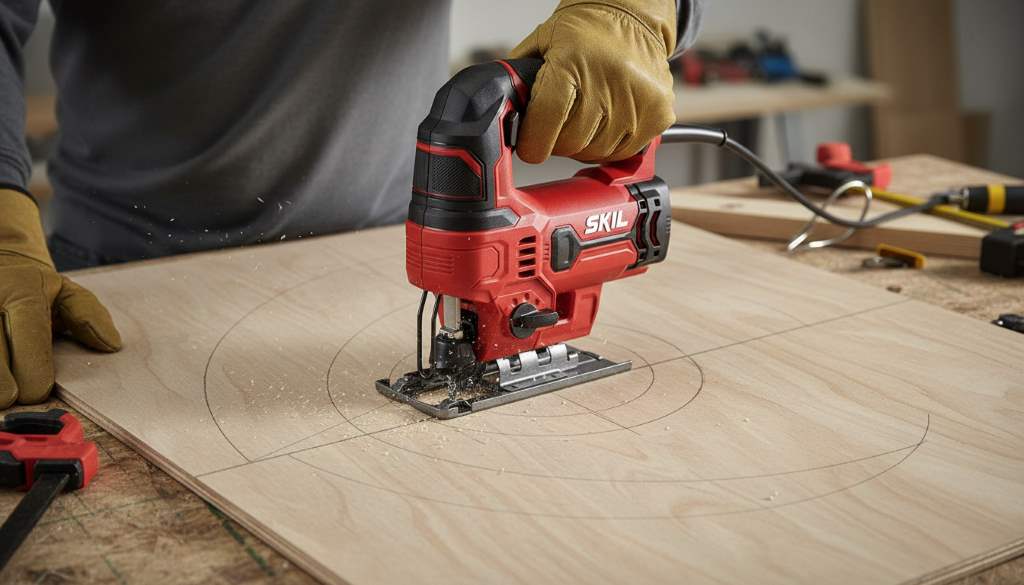
Imagine you need a perfect circle cut into plywood for a custom sign. You reach for your compact jigsaw and turn a tricky task into something simple. Compact jigsaws shine in tight spaces and detailed work. These tools deliver versatility that bigger saws cannot match. Many hobbyists love them for quick, accurate cuts.
In fact, power tool injuries send over 30,000 people to emergency rooms each year in the U.S., according to older Consumer Product Safety Commission data referenced in safety studies. However, proper technique sharply reduces risks. A quality lightweight jigsaw makes precision work easier and safer. Additionally, a small jigsaw handles intricate patterns with ease. This guide walks you through every step to get clean, professional results.
Understanding the Compact Jigsaw
Compact jigsaws stand out for their smaller size and lighter weight. Manufacturers design them for one-handed operation in many cases. Moreover, a portable jigsaw fits easily into tool bags for job sites or home projects.
Key parts include the motor, blade clamp, base plate, and trigger. Variable speed dials let you adjust strokes per minute. Orbital action settings control how aggressively the blade moves. For precision, you often choose lower orbital settings.
Furthermore, cordless models dominate today thanks to better batteries. They offer freedom without cords tangling during cuts. Barrel grips or top-handle designs improve control for detailed work. Overall, these features make compact models ideal for precision tasks.
Benefits of Compact Jigsaws for Precision Cutting
Compact jigsaws excel where larger tools fail. Their light weight reduces fatigue during long sessions. Consequently, you maintain steadier hands for finer lines.
Additionally, the narrow blade allows tight radius curves. A portable jigsaw reaches into corners that circular saws cannot. Many users find them perfect for scroll work and templates.
Precision comes from better visibility too. You see the cut line clearly as you guide the tool. In addition, modern LED lights on many models illuminate the path. Therefore, mistakes drop significantly.
Finally, versatility spans wood, metal, plastic, and laminate. Switch blades, and the same small jigsaw handles diverse materials smoothly.
Essential Safety Practices
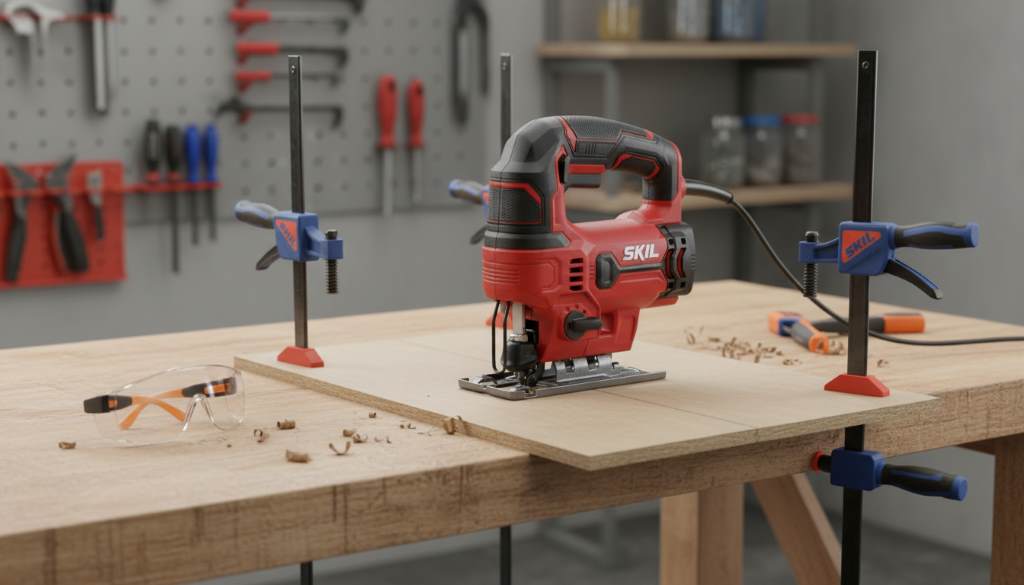
Safety always comes first with power tools. Wear safety glasses to shield eyes from flying debris. Dust masks protect lungs from fine particles.
Secure loose clothing and tie back long hair. Moreover, remove jewelry that might catch. Always unplug or remove batteries before changing blades.
Clamp workpieces firmly. Unsecured material shifts and causes accidents. Additionally, check the base plate stays square to the blade. A tilted plate ruins cuts and risks kickback.
Let the tool reach full speed before contacting material. Never force the blade. Instead, guide gently and let it cut at its pace. These habits prevent most common issues.
Selecting Blades for Clean Precision
Blade choice determines cut quality. T-shank blades fit most modern compact jigsaws securely. For wood, pick high-carbon steel or bi-metal options.
Fine-tooth blades, around 10-12 TPI, deliver smooth edges. Reverse-tooth or down-cut blades minimize top-surface splintering. For ultra-clean laminate, specialized blades work wonders.
Metal cutting needs finer teeth, often 21-24 TPI. Bi-metal lasts longer in tough materials. Additionally, narrow blades improve maneuverability in curves.
Always match blade length to material thickness. Most compact models handle up to 2-3 inches in wood. Store blades properly to maintain sharp edges.
Setting Up Your Workspace
Good setup prevents frustration. Choose a sturdy bench at comfortable height. Clear clutter to avoid distractions.
Light the area brightly. Overhead lights plus task lamps reveal cut lines clearly. Moreover, use a dust extraction system or shop vacuum. It keeps visibility high.
Mark lines with sharp pencils or scoring knives. Tape over lines reduces tear-out on plywood. Furthermore, apply painter’s tape for extra protection.
Support large pieces fully. Overhanging material vibrates and affects accuracy. Clamps on both sides keep everything stable.
Mastering Straight Cuts
Straight cuts demand guides. Clamp a straight board as a fence. Run the jigsaw base against it for perfect lines.
Start with lower speed for control. Increase gradually as you gain confidence. Additionally, zero orbital action keeps cuts square.
Begin cuts from the edge or drill starter holes for internal starts. Plunge slowly if your model allows. Guide steadily without side pressure.
Practice on scrap first. Small adjustments in grip make big differences. Soon, long straight cuts become routine.
Techniques for Curved and Intricate Cuts
Curves showcase the jigsaw’s strength. Use narrow blades for tight radii. Relief cuts help sharp corners.
Turn the tool slowly while feeding forward gently. Moreover, back out occasionally to clear chips. This prevents binding.
For circles, attach a simple circle jig. Pivot around a center point for smooth arcs. Additionally, multiple passes refine intricate patterns.
Scroll work needs patience. Follow lines carefully and let the blade do the work. Practice builds muscle memory quickly.
Advanced Tips for Ultimate Precision
Tape the base plate with low-friction tape. It glides smoother over surfaces. Additionally, wax the sole occasionally.
Score lines first with a utility knife. This guides the blade and reduces splintering. For plywood, cut from the back when possible.
Use speed appropriately. Slower for plastics to avoid melting. Faster for softwoods. Experiment on scraps to find sweet spots.
Cool blades during long sessions. Overheating dulls them fast. Change blades before they lose sharpness completely.
Related:
How to Inspect Garage Door Springs Safely
Best Mini Saw for Wood Cutting: G LAXIA Mini Circular Saw Highlighted
Common Mistakes to Avoid
Forcing the saw tops the list. It bends blades and ruins accuracy. Instead, maintain steady forward pressure only.
Wrong blade selection causes rough edges. Always match teeth to material. Additionally, dull blades tear instead of cut cleanly.
Skipping clamps leads to shifting workpieces. Secure everything firmly. Poor lighting hides cut lines and invites errors.
High orbital settings on fine work create tear-out. Reserve aggressive orbits for rough cuts only.
Maintenance for Long-Term Performance
Clean sawdust after each use. Compressed air clears vents and mechanisms. Lubricate moving parts occasionally per manual.
Check cords for damage on corded models. Store batteries properly for cordless versions. Moreover, inspect the base plate stays flat.
Replace worn roller guides. They support blades for straighter cuts. Regular care extends tool life significantly.
Fun Projects to Build Skills
Start with simple coasters. Cut circles and add curves. Progress to custom brackets with slots.
Make wooden puzzles for kids. Intricate shapes hone control. Additionally, decorative signs combine letters and motifs.
Build birdhouses with entry holes. Practice plunge cuts accurately. Each project teaches new techniques naturally.
Troubleshooting Precision Issues
Blade wander often stems from dull edges. Replace immediately. Side pressure also deflects thin blades.
Tear-out happens on plywood veneers. Use proper blades and tape. Cutting slower helps too.
Vibration indicates loose parts. Tighten screws and check blade installation. Smooth operation returns quickly.
Conclusion
Compact jigsaws open creative possibilities with the right approach. Focus on safety, blade selection, and steady technique. You achieve professional precision consistently.
Practice regularly on scrap material. Skills improve rapidly. Grab your small jigsaw today and start a new project. Clean, accurate cuts await you.
FAQs
What makes a compact jigsaw better for precision than larger saws?
Compact models offer lighter weight and better maneuverability. You control intricate lines easier. Additionally, the narrow blade follows curves precisely.
Which blade gives the cleanest wood cuts?
Fine-tooth reverse blades minimize splintering. Brands like Bosch and Diablo excel here. Always tape the surface for extra protection.
Can beginners achieve precision cuts with a jigsaw?
Absolutely. Start slow with guides and proper blades. Practice builds confidence fast. Most users see improvement quickly.
How do I prevent blade bending during cuts?
Avoid forcing the tool. Use sharp, appropriate blades. Lower orbital action helps maintain straight paths.
Is a portable jigsaw suitable for metal cutting?
Yes, with correct bi-metal blades. Go slow and use cutting oil. Compact models handle thin metals well.
References
- United Rentals Project Uptime: Jigsaw Safety Tips – https://www.unitedrentals.com/project-uptime/safety/common-safety-mistakes-when-using-jigsaw
- Mister Worker: What is a Jigsaw and How to Use it Safely – https://www.misterworker.com/en-us/blog/what-is-a-jigsaw-and-how-to-use-it-safely-n315
- Woodworking Injury Statistics Overview – https://www.greenbergrubylaw.com/woodworking-injury-statistics
- Thomas Custom Woodworks: Common Jigsaw Mistakes – https://thomascustomwoodworks.com/blogs/woodworking-blog/6-jigsaw-mistakes-that-ll-leave-you-frustrated-and-how-to-avoid-them