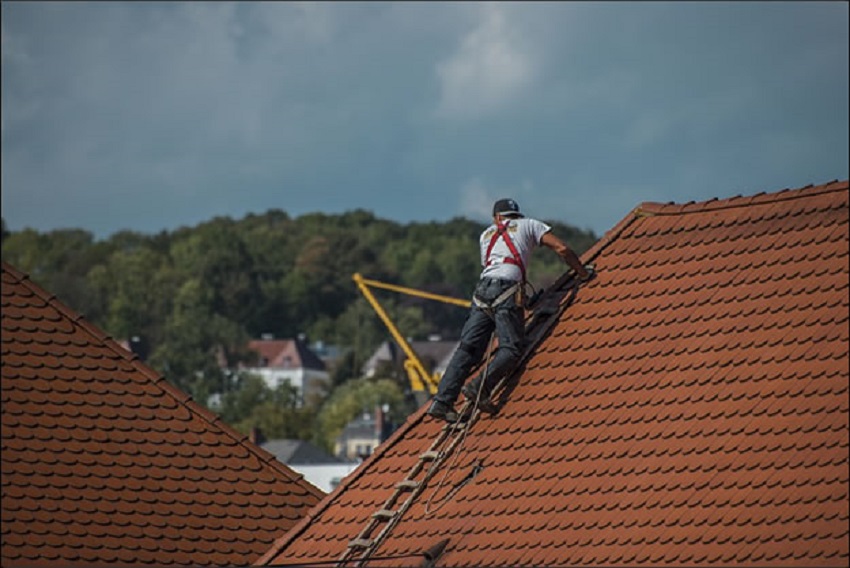

How to modernize residential roofs means upgrading traditional roofing systems using new materials, smart technologies, energy-efficient designs, and durable installation methods that improve performance, lifespan, and sustainability.
Most homeowners only think about their roof when it leaks. That’s a problem. A roof is no longer just a protective cover. It is now a key part of energy efficiency, home value, and long-term cost control. Older roofing systems were built to survive weather. Modern roofs are built to work for the house.
Residential roofing innovations have changed how roofs handle heat, water, energy, and even data. Solar-integrated shingles, reflective materials, smart sensors, and sustainable options are now widely available. According to the U.S. Department of Energy, modern cool roofing systems can reduce roof temperatures by up to 50°F, lowering cooling costs by 10–15%.
This guide breaks down exactly how to modernize residential roofs using proven innovations. No hype. No vague claims. Just practical upgrades backed by real-world data and case studies.
Why do traditional residential roofs fail modern homeowners?
Traditional roofs fail because they were not designed for energy efficiency, extreme climate changes, or long-term cost control.
Most older homes still use asphalt shingles installed 15–25 years ago. These systems absorb heat, degrade faster, and provide limited insulation. As energy costs rise, these roofs actively work against homeowners.
- High heat absorption increases indoor temperatures
- Shorter lifespan due to UV damage
- Poor water management during heavy rainfall
- No integration with solar or smart systems
A 2023 study by Oak Ridge National Laboratory found that outdated roofing materials can increase annual cooling demand by up to 25% in warmer climates. That’s not a small loss. It’s recurring.
This is the core problem modern roofing innovations are solving.
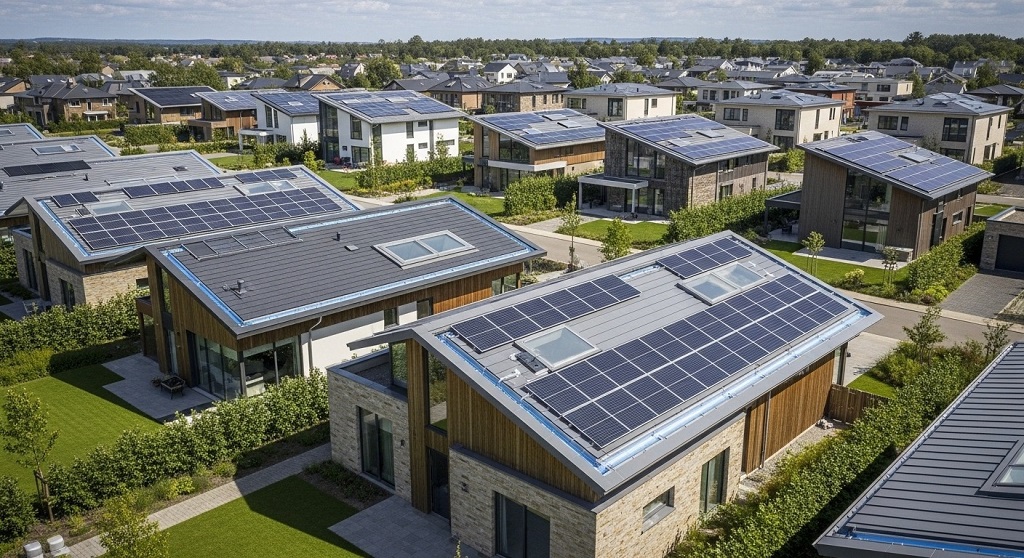
What are the most effective residential roofing innovations today?
The most effective residential roofing innovations focus on energy efficiency, durability, and smart integration.
1. Cool roofing materials
Cool roofs use reflective surfaces to reduce heat absorption. These include advanced metal roofs, coated shingles, and reflective membranes.
Case data from California’s Title 24 energy standards shows homes with cool roofs reduce peak cooling demand by 15–20%.
2. Solar-integrated roofing systems
Solar shingles and solar-ready roofs eliminate bulky panels. Tesla’s solar roof and GAF Energy systems integrate energy production directly into roofing materials.
According to the National Renewable Energy Laboratory (NREL), integrated solar roofs can offset 40–70% of residential electricity use depending on location.
3. Synthetic and composite shingles
Modern composite shingles mimic slate or wood but last 2–3 times longer. They resist cracking, algae growth, and moisture absorption.
4. Green roofing systems
Vegetative roofs reduce stormwater runoff and improve insulation. While more common in urban areas, residential adoption is growing.
How can energy-efficient roofing lower utility costs?
Energy-efficient roofing lowers utility costs by reducing heat transfer and improving thermal regulation.
Roofs account for up to 40% of heat gain in a typical home. Modern materials attack this problem directly.
| Roof Type | Average Cooling Savings | Lifespan |
|---|---|---|
| Traditional Asphalt | 0–5% | 15–20 years |
| Cool Roof Shingles | 10–15% | 20–30 years |
| Metal Roofing | 15–25% | 40–70 years |
A case study from Florida Power & Light showed households installing reflective metal roofs saved an average of $300–$500 per year in cooling costs.
What role does smart roofing technology play?
Smart roofing technology helps homeowners monitor roof health and prevent costly failures.
Modern roofs can now include embedded sensors that detect moisture, temperature changes, and structural stress. These systems send alerts before visible damage occurs.
- Leak detection before interior damage
- Storm impact monitoring
- Preventive maintenance alerts
Insurance industry data shows early leak detection reduces repair costs by up to 60%. This is not experimental tech anymore. It is already in use in high-value residential properties.
How do sustainable roofing materials improve long-term value?
Sustainable roofing materials improve long-term value by lasting longer and reducing environmental impact.
Materials like recycled metal, rubber shingles, and composite tiles reduce landfill waste. According to the EPA, traditional asphalt shingles contribute over 11 million tons of waste annually in the U.S.
Modern alternatives last longer, meaning fewer replacements and lower lifetime costs.
Home resale data from Zillow shows energy-efficient roofing upgrades increase home value by 2–4%, especially in competitive markets.
Is metal roofing still the top modernization choice?
Yes. Metal roofing remains one of the most effective ways to modernize residential roofs.
Metal roofs reflect sunlight, shed snow easily, and resist fire. They also pair well with solar systems.
While upfront costs are higher, the lifetime return is strong. A study by Remodeling Magazine found metal roofing recoups up to 60% of its cost in resale value.
How can homeowners modernize roofs without full replacement?
Homeowners can modernize roofs through targeted upgrades instead of full replacement.
- Reflective coatings applied to existing roofs
- Improved attic ventilation systems
- Solar-ready reinforcements
- Insulation upgrades beneath existing roofing
These upgrades can deliver 30–50% of the benefits at a fraction of replacement cost.
What mistakes should homeowners avoid when modernizing roofs?
The biggest mistake is choosing materials without climate or structure assessment.
Not all innovations work in every region. For example, green roofs are less effective in dry climates without irrigation. Similarly, heavy materials may not suit older structures.
Always match innovation to environment, budget, and long-term goals.
Conclusion: Is modernizing your residential roof worth it?
Modernizing a roof is no longer optional. Rising energy costs, extreme weather, and higher home performance standards make outdated roofs expensive liabilities.
Residential roofing innovations offer measurable benefits. Lower utility bills. Longer lifespan. Higher resale value. Better protection.
If your roof is over 10 years old, the question is not whether to upgrade. It is how.
CTA: If you’re planning a roof upgrade, start with an energy audit and material assessment. Work with a roofing professional who understands modern systems, not just traditional installs.
Frequently Asked Questions (FAQs)
How long does a modern residential roof last?
Most modern roofing systems last 30–70 years depending on material. Metal and composite roofs last the longest.
Is solar roofing worth the investment?
Yes, in regions with strong sunlight. Solar roofs can offset 40–70% of electricity costs over time.
What is the cheapest way to modernize a roof?
Reflective roof coatings and ventilation upgrades are the most affordable modernization options.
Do modern roofs require more maintenance?
No. Most modern systems require less maintenance than traditional asphalt roofs.
Can I modernize my roof in stages?
Yes. Many upgrades like insulation, coatings, and solar readiness can be phased.
Are modern roofing materials environmentally friendly?
Most innovations reduce waste and energy use, making them more sustainable than older materials.
Related Topics: How to Plan a Custom Bathroom Remodel from Scratch
Related Topics: How to Use a Compact Jigsaw for Precision Cuts