Key Takeaways
- A historic home may be formally designated, located in a historic district, or simply be an older home with period features.
- Specialized inspections can reveal issues involving structure, moisture, masonry, wiring, plumbing, and older materials.
- Preservation requirements may affect exterior work, including windows, roofs, additions, fences, and solar installations.
- The purchase decision should account for repair reserves, insurance, financing, and long-term maintenance.
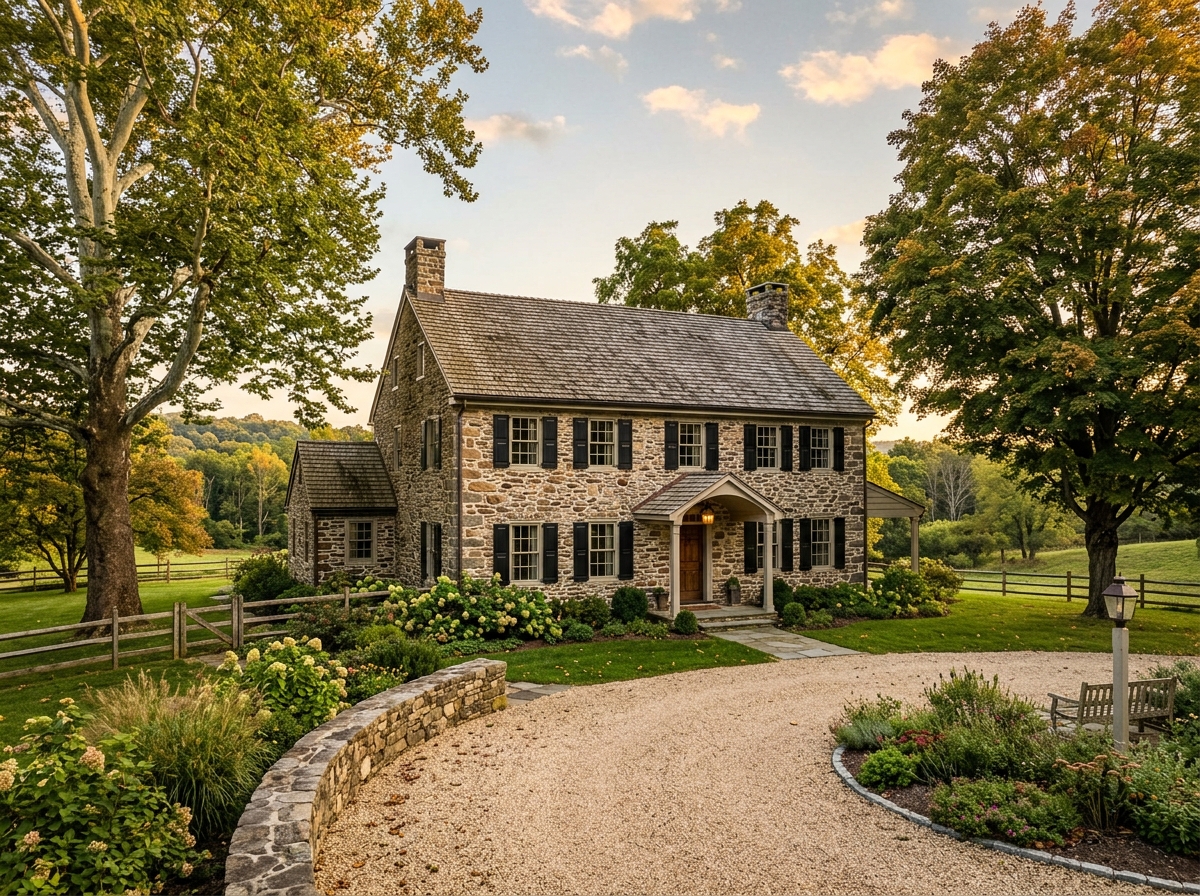
New Hope, Pennsylvania, and the surrounding Bucks County countryside offer homes with rare character, from stone farmhouses and converted barns to river-area residences and early village properties. That appeal deserves a careful buying process. An older home can be a rewarding place to live, but its construction, condition, renovation history, and local rules may create costs that are not obvious during a first showing.
Buyers evaluating distinctive properties can benefit from a local perspective. New Hope, PA real estate experts B&b Luxury Properties at the Black Group represent buyers and sellers through B&B Luxury Properties, a New Hope-based luxury real estate team that specializes in exceptional homes with craftsmanship, character, and individual appeal. With service reaching Bucks County, Philadelphia, the Main Line, and nearby New Jersey, the team’s familiarity with architectural homes, estates, and lifestyle-driven properties can help buyers ask better questions before committing to a historic purchase.
1. What Makes A Home Historic?
Age alone does not make a house historic in a regulatory sense. A property may be individually recognized, included within a historic district, or valued locally for its architecture without carrying a formal designation. The National Register of Historic Places program provides a useful starting point for understanding recognized historic resources, but buyers should also check borough, township, county, and state records. Local rules are often the most important factor when planning exterior changes.
Ask whether the main house, barn, carriage house, stone walls, or other features are considered contributing elements. A designation may apply to only part of a property, while easements, deed restrictions, or district guidelines can create additional obligations.
2. What To Check During The First Visit
Use the showing to identify questions, not to make conclusions. Notice sloping floors, doors that stick, wide cracks in masonry, bowed porch railings, uneven window frames, or fresh paint that seems to cover a localized problem. In New Hope’s river and creek-adjacent areas, pay particular attention to drainage, basement moisture, grading, gutters, and retaining walls.
Look up at roof lines and chimneys, then look down at ceilings and basement walls for water staining, peeling finishes, or musty odors. Ask the seller for permits, invoices, service records, and details of past renovations. A second visit after rainfall, or at a different time of day, can reveal conditions that a sunny first showing did not.
3. Why A Specialized Inspection Matters
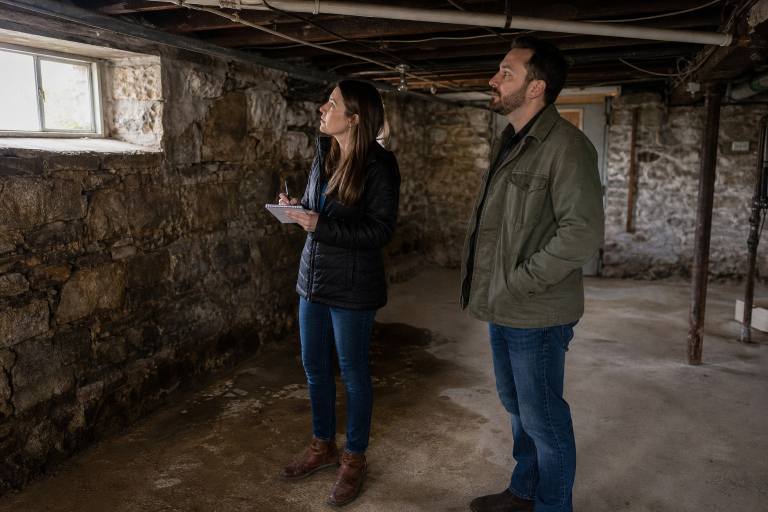
A general home inspection is valuable, but older construction may call for more expertise. Select an inspector who understands historic materials and can distinguish between a repairable original feature, a safety concern, and a cosmetic imperfection. Depending on the findings, bring in a structural engineer, electrician, roofer, mason, chimney professional, pest specialist, or sewer-scope provider.
Testing should match the home and site. Buyers may need to evaluate radon, mold, lead-based paint, asbestos-containing materials, private wells, septic systems, or buried tanks. Older paint layers deserve particular care because the risk of lead exposure at home can increase when deteriorated painted surfaces are disturbed during renovation.
4. Major Systems That Need Extra Attention
Structure, Water, And Exterior Materials
- Foundation and framing: Investigate settlement, movement, moisture entry, insect damage, and inadequate drainage.
- Roof and chimney: Review roof covering, flashing, gutters, masonry joints, attic ventilation, and evidence of prior leaks.
- Wood and masonry: Check for rot, termites, deteriorated mortar, damaged beams, and repairs made with incompatible materials.
- Windows: Determine whether original windows can be repaired, whether storms are present, and whether replacement designs require approval.
Mechanical Systems
- Electrical: Confirm panel capacity, grounding, visible wiring condition, and whether modern demands exceed the system’s capabilities.
- Plumbing: Ask about supply lines, drain lines, water pressure, sewer connections, and the age of water-heating equipment.
- Heating and cooling: Review equipment age, service history, fuel source, distribution systems, and replacement options.
5. How Preservation Rules Affect Renovations
Before making an offer, contact the relevant planning or preservation office and ask for the property’s written status. Find out which projects require approval and how long the review may take. Window replacements, siding, roofing, paint colors, additions, fences, outbuildings, exterior lighting, and solar panels can all be subject to local review in some districts.
Also, ask whether prior renovations were approved. Unpermitted work can complicate closing, insurance, future resale, or a planned restoration. A buyer who expects to create a large addition, change a façade, or convert a barn should confirm feasibility before treating those plans as part of the property’s value.
6. Estimating Repair And Maintenance Costs
Look beyond the list price by separating immediate needs from improvements that can wait. Obtain written estimates for major roof, foundation, electrical, plumbing, masonry, drainage, or septic work. Then reserve additional funds for conditions hidden behind finished walls, flooring, or ceilings.
Historic properties may require skilled labor and materials that cost more than standard replacements. Include recurring care in the budget, especially for woodwork, masonry, chimneys, large roofs, mature grounds, private drives, wells, pools, and accessory buildings. A well-maintained older home can be a better purchase than a lower-priced house with years of deferred maintenance.
7. Financing, Insurance, And Tax Questions
Talk with lenders and insurance agents early. Ask whether the home’s condition, roof age, electrical system, outbuildings, flood exposure, or vacancy history affects eligibility or coverage. Confirm that the policy’s replacement-cost approach makes sense for period materials and custom details. Tax incentives may exist for qualifying rehabilitation work, but eligibility and transferability should be reviewed with a qualified tax professional.
8. Writing A Safer Offer
A strong offer can still protect the buyer. Include enough inspection time for specialist reviews, request permits and service records, and make financing and insurability practical contingencies when appropriate. Clarify whether historic fixtures, built-ins, outbuildings, appliances, and personal property remain. Use documented repair findings to support negotiations rather than relying only on a broad estimate of the home’s condition.
9. Final Pre-Purchase Checklist
- Historic designation, district rules, easements, and restrictions have been confirmed.
- Permits, renovation records, and major service records have been reviewed.
- A thorough inspection and needed specialist evaluations are complete.
- Immediate repairs have written estimates and a realistic contingency reserve.
- Insurance and financing fit the property’s actual condition.
- Long-term maintenance aligns with the household budget and renovation plans.
Buy The Story With Open Eyes
A historic home in New Hope can offer craftsmanship, atmosphere, and a connection to Bucks County’s distinctive landscape and architecture. It can also require patience, planning, and disciplined budgeting. The best choice is not simply the most beautiful home. It is the home whose condition, restrictions, maintenance demands, and future possibilities genuinely fit your plans.