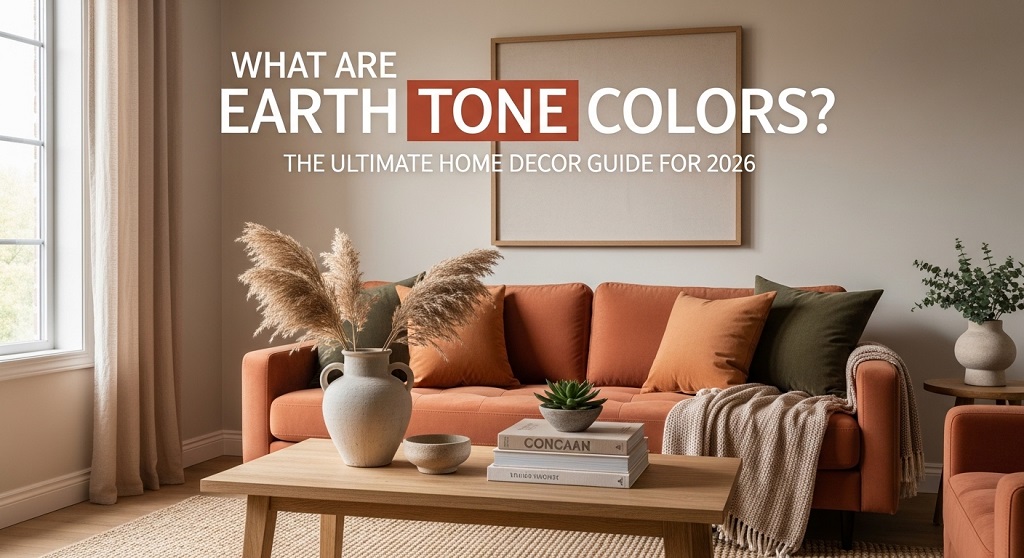
Modern homes are shifting away from harsh whites and cold grays. People now want interiors that feel calm, grounded, and timeless. That shift explains why earth tone colors are dominating interior design trends in 2026.
But many homeowners misunderstand what earth tones actually are. Some think they are only brown shades. Others assume they make spaces look dark or outdated. In reality, earth tones are one of the most flexible color systems in modern decorating.
This guide explains exactly what earth tone colors are, how they work, and how to use them in real homes without making mistakes. You’ll learn color palettes, room strategies, furniture pairings, and designer techniques used in today’s most balanced interiors.
What Are Earth Tone Colors?
Earth tone colors are natural shades inspired by soil, stone, clay, sand, wood, forests, and landscapes. Common examples include warm browns, muted greens, terracotta, beige, rust, taupe, olive, and soft grays. These colors create calm, grounded interiors that feel timeless, comfortable, and visually balanced.
Snippet Answer (50 words): Earth tone colors are muted natural shades inspired by landscapes like soil, clay, forests, sand, and stone. Examples include beige, olive green, rust, taupe, terracotta, and warm browns. They create calm, grounded interiors and are widely used in modern home decor for warmth, balance, and timeless appeal.
Earth tones work because they reflect colors humans naturally see outdoors. The brain processes these shades as stable and relaxing. That makes them ideal for living rooms, bedrooms, and workspaces.
Unlike bright trend colors that fade in popularity, earth tones remain relevant across decades. They adapt easily to changing furniture styles, lighting conditions, and materials.
Designers often use earth tones as base palettes. Accent colors can then be layered on top without overwhelming the room.
Why Are Earth Tone Colors So Popular in 2026?
Earth tone colors are popular in 2026 because homeowners want calming spaces that reduce stress and feel connected to nature. These shades support wellness-focused interiors, sustainable materials, and minimalist design trends while remaining timeless and adaptable across multiple decorating styles.
Modern lifestyles include more screen exposure and indoor work environments. People now prioritize interiors that feel restful instead of stimulating.
Earth tones help achieve this effect because they reduce visual tension. They also pair naturally with wood furniture, linen fabrics, ceramic decor, and indoor plants.
Three major trends explain their dominance:
- Biophilic design focusing on nature-inspired interiors
- Japandi and Scandinavian minimalism
- Sustainable material awareness
Another reason is flexibility. Earth tones work in small apartments, large houses, rentals, and offices equally well.
Instead of repainting every few years, homeowners can keep earth-tone bases and simply change accessories.
Which Colors Are Considered Earth Tones?
Earth tone colors include warm browns, beige, taupe, olive green, moss green, terracotta, rust, clay red, muted mustard, sandstone, charcoal gray, and soft cream. These shades reflect natural landscapes and form balanced palettes suitable for walls, furniture, textiles, and decorative accents.
Earth tones fall into three main natural categories:
Warm Earth Colors
- Terracotta
- Clay
- Rust
- Caramel
- Warm beige
Cool Earth Colors
- Olive green
- Moss green
- Stone gray
- Slate
- Muted teal
Neutral Earth Colors
- Sand
- Cream
- Taupe
- Soft brown
- Greige
Mixing these categories creates layered interiors that feel natural instead of flat.
Professional designers often combine one warm tone, one cool tone, and one neutral tone for balance.
How Do Earth Tone Colors Affect Mood in Interior Spaces?
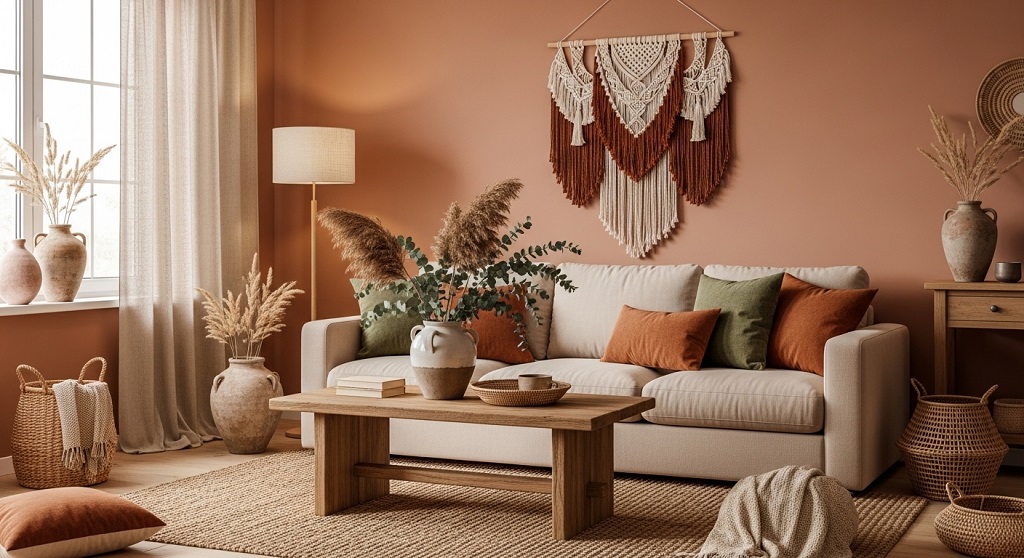
Earth tone colors promote relaxation by reducing visual stress and creating psychological stability. These natural shades make interiors feel warmer, safer, and more welcoming while improving concentration, comfort, and emotional balance in living rooms, bedrooms, and workspaces.
Color psychology plays a major role in interior comfort.
Bright colors increase energy levels. Earth tones reduce mental fatigue.
This makes them ideal for:
- Bedrooms needing restful atmospheres
- Living rooms used for social relaxation
- Home offices requiring focus
- Dining areas designed for comfort
Natural tones also reflect light softly instead of sharply. That reduces glare in artificial lighting conditions.
Homes decorated with earth tones often feel warmer even when temperature stays the same.
How Can You Use Earth Tone Colors in Different Rooms?
Earth tone colors can be used differently across rooms by adjusting shade intensity and layering textures. Light earth tones work best for small spaces, medium tones suit shared living areas, and darker tones create depth in bedrooms and accent walls.
Each room benefits from a different earth-tone strategy.
Living Room
- Beige walls
- Olive cushions
- Wood furniture
- Clay pottery decor
Bedroom
- Terracotta accent wall
- Cream bedding
- Taupe curtains
Kitchen
- Sand-colored cabinets
- Stone countertops
- Matte bronze handles
Bathroom
- Warm gray tiles
- Wood mirrors
- Clay accessories
Layering textures improves the effect more than adding extra colors.
What Materials Pair Best with Earth Tone Colors?
Earth tone colors pair best with natural materials such as wood, linen, cotton, rattan, clay, stone, and leather. These combinations enhance warmth and authenticity while supporting modern sustainable interior design trends.
Material selection determines whether earth-tone interiors feel modern or outdated.
| Material | Best Matching Earth Tone | Design Effect |
|---|---|---|
| Oak Wood | Beige / Taupe | Warm Scandinavian look |
| Rattan | Sand / Olive | Natural relaxed atmosphere |
| Clay Ceramic | Terracotta | Rustic modern texture |
| Linen Fabric | Cream / Moss | Soft minimalist style |
| Leather | Caramel / Rust | Luxury warmth |
Combining multiple textures prevents monotony.
This creates visual layering without needing strong accent colors.
How Do You Build a Balanced Earth Tone Color Palette?
A balanced earth tone palette includes one dominant neutral shade, one supporting mid-tone color, and one darker grounding accent. This structure creates harmony while preventing interiors from appearing flat or overly dark.
Follow this simple designer framework:
- Choose a base neutral like beige or taupe
- Add a mid-tone like olive or clay
- Finish with a dark accent like rust or charcoal
This structure keeps rooms visually stable.
Too many similar tones can make interiors look dull. Contrast adds depth without losing calmness.
Plants also function as natural accent colors inside earth-tone spaces.
Are Earth Tone Colors Suitable for Small Homes and Apartments?
Earth tone colors are suitable for small homes when lighter shades like sand, cream, and warm gray are used as base colors. These tones reflect light effectively while maintaining warmth, making compact interiors feel larger and more comfortable.
Many renters avoid earth tones because they fear darker spaces.
However, lighter natural shades actually improve brightness.
Use these strategies:
- Paint walls warm beige instead of white
- Add vertical wood shelves
- Use linen curtains instead of heavy drapes
- Place mirrors opposite windows
This keeps interiors airy while maintaining natural warmth.
Accent tones should stay limited in small rooms.
Conclusion: How Earth Tone Colors Transform Modern Interiors
Earth tone colors solve one of the biggest modern decorating problems: creating homes that feel calm without looking boring. They bring warmth without clutter and style without constant redesign.
By combining natural shades like beige, olive, terracotta, and taupe with materials like wood, linen, and clay, homeowners can create interiors that remain relevant for years.
The key strategy is balance. Choose a neutral base, layer mid-tones carefully, and add texture through natural materials.
If you want a timeless home that supports comfort, focus, and visual harmony, start with an earth-tone palette and build your space around it.
Begin with one room. Test three natural shades. Add layered textures. You’ll immediately notice the difference in atmosphere and usability.
FAQ: Earth Tone Colors in Home Decor
Are earth tone colors warm or cool?
Earth tone colors include both warm and cool shades. Warm tones include terracotta and caramel, while cool tones include olive green and stone gray. Combining both creates balanced interiors.
Do earth tone colors make rooms look darker?
Light earth tones like sand, cream, and taupe reflect light effectively. Darker tones only reduce brightness when overused without contrast.
Can earth tones work in modern homes?
Yes. Earth tones are widely used in modern styles like Japandi, Scandinavian, and minimalist interiors because they provide warmth without visual clutter.
What is the most popular earth tone color for 2026?
Olive green is one of the most popular earth tone colors in 2026 due to its versatility and compatibility with wood and neutral palettes.
Are earth tones good for bedrooms?
Yes. Earth tones promote relaxation and emotional comfort, making them ideal for sleep-focused environments.
Can I mix earth tones with white?
Yes. White enhances contrast and prevents earth-tone interiors from appearing heavy or flat.
Are earth tone colors timeless or trendy?
Earth tones are considered timeless because they are inspired by natural environments rather than seasonal color trends.
Read More Also: How to Choose a Travel-Friendly Nursing Pillow for New Moms
Learn More: How to Pick Portable Outdoor Grills for Backyard and Travel