
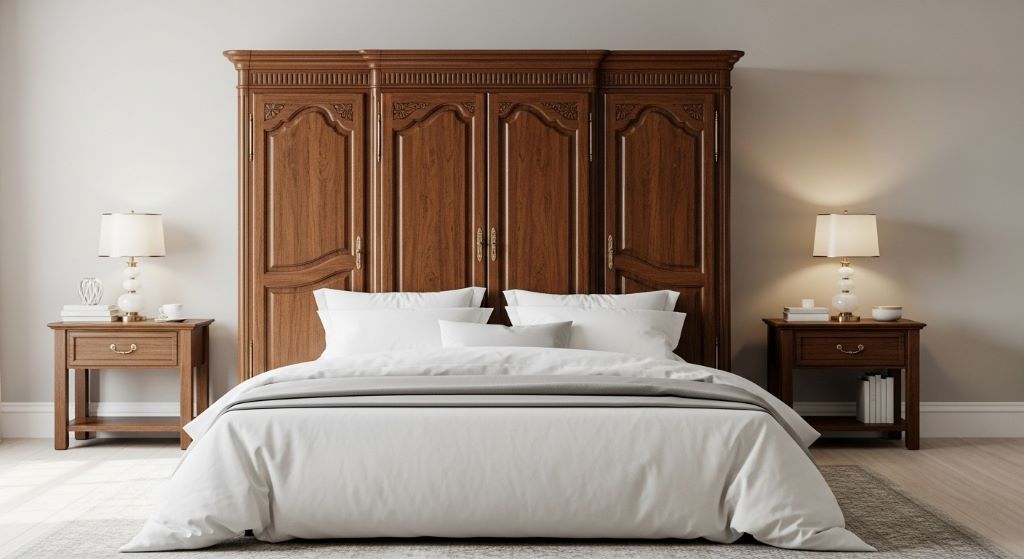
Wardrobe armoires serve as stunning focal points while providing essential storage in bedrooms. These freestanding furniture pieces bring character and functionality to spaces lacking built-in closets. However, styling around an armoire requires thoughtful planning to create cohesive, balanced room designs.
This comprehensive guide explores strategies for integrating wardrobe armoires into bedroom decor. Learn how to select complementary furnishings, arrange layouts effectively, and enhance your armoire’s visual impact through strategic styling choices.
Understanding Armoire Styles and Their Design Impact
Traditional armoires feature ornate carvings, raised panels, and decorative hardware reflecting classical furniture design. These pieces suit formal bedroom styles including French country, Victorian, and traditional decor schemes. Additionally, antique armoires bring historical character to contemporary spaces when styled thoughtfully.
Modern armoires emphasize clean lines, minimal ornamentation, and sleek finishes. These streamlined pieces complement contemporary, minimalist, and Scandinavian bedroom aesthetics. Therefore, identifying your armoire’s style guides subsequent decor decisions.
Rustic armoires showcase natural wood grains, distressed finishes, and farmhouse-inspired details. These pieces anchor country cottage, shabby chic, and bohemian bedroom designs. Moreover, rustic armoires add warmth to industrial-style spaces through material contrast.
Transitional armoires blend traditional and contemporary elements, offering versatile styling options. These adaptable pieces work across multiple design aesthetics, making them ideal for evolving decor preferences. However, transitional styles require careful accessory selection to avoid visual confusion.
Choosing the Optimal Armoire Placement
Position armoires against solid walls rather than windows to maximize natural light flow. Placing large furniture before windows blocks sunlight and creates dark, cramped feelings. Additionally, wall placement provides structural support for tall, heavy armoires.
Avoid positioning armoires directly opposite bedroom doors where they create visual barriers upon entry. Instead, place them on perpendicular walls to maintain open traffic flow. This arrangement welcomes occupants into spaces rather than confronting them with furniture walls.
Consider ceiling height when placing tall armoires to prevent overwhelming proportions. Standard eight-foot ceilings accommodate armoires up to seven feet tall comfortably. Therefore, measure vertical clearance before purchasing oversized pieces.
Ensure adequate clearance for armoire door swings, typically requiring 24 to 36 inches of open space. Test door operation before finalizing placement to avoid conflicts with beds or other furniture. Moreover, account for drawer extension if your armoire includes built-in storage.
Selecting Complementary Bedroom Furniture
Match wood tones across bedroom furniture for cohesive traditional and rustic designs. Cherry armoires pair beautifully with cherry nightstands and dressers. However, exact matching appears dated in contemporary settings where mixed finishes create visual interest.
Contrast armoire finishes with other furniture in modern and eclectic bedrooms. Dark espresso armoires pop against white or light wood pieces. Additionally, contrasting finishes prevent monotonous color schemes in smaller bedrooms.
Scale remaining furniture proportionally to armoire size to maintain visual balance. Massive armoires require substantial beds and nightstands to avoid appearing top-heavy. Conversely, delicate furnishings look appropriate alongside smaller, lighter armoires.
Limit bedroom furniture quantity when incorporating large armoires to prevent overcrowding. Essential pieces include beds, nightstands, and possibly dressers if armoires lack sufficient storage. Therefore, eliminate unnecessary furniture creating cramped spaces.
According to Architectural Digest, proper furniture scaling and placement significantly impacts bedroom functionality and aesthetic appeal.
Creating Visual Balance Around Statement Armoires
Balance armoire height with horizontal elements preventing vertical dominance. Low platform beds, horizontal artwork, and long dressers counteract tall armoire proportions. Additionally, horizontal window treatments draw eyes across walls rather than solely upward.
Flank armoires with matching nightstands or accent tables for symmetrical arrangements. This traditional approach creates formal, organized aesthetics in master bedrooms. However, asymmetrical groupings suit casual, eclectic design preferences.
Position similar-weight decorative elements on opposite walls to distribute visual mass. If your armoire occupies one wall, place substantial artwork or mirrors across the room. This technique prevents lopsided feelings in bedroom layouts.
Layer lighting at various heights to balance tall armoire presence. Floor lamps, table lamps, and pendant lights create dimensional lighting schemes. Moreover, multiple light sources reduce harsh shadows cast by large furniture pieces.
Coordinating Color Schemes with Armoire Finishes
Draw bedroom color palettes from armoire wood tones and finishes. Warm cherry or mahogany armoires inspire golden yellows, burnt oranges, and deep reds. Cool gray or white-washed pieces suggest blues, greens, and soft neutrals.
Use armoire color as accent shade rather than dominant bedroom hue. Repeating dark wood tones excessively creates heavy, oppressive atmospheres. Therefore, incorporate armoire colors through smaller accessories like picture frames and decorative objects.
Contrast light armoires against darker wall colors for dramatic impact. White or cream armoires stand out beautifully against navy, charcoal, or forest green walls. Additionally, this approach emphasizes armoire architectural details through color contrast.
Harmonize medium-toned armoires with neutral wall colors allowing flexible decor changes. Beige, greige, and soft gray walls complement most wood finishes without commitment to specific color schemes. Moreover, neutral backgrounds showcase bedding and accessories effectively.

Styling Armoire Tops as Decorative Displays
Treat armoire tops as display surfaces for curated decorative arrangements. Group items in odd numbers following classic design principles for visual appeal. Three to five objects create balanced compositions without appearing cluttered.
Vary display item heights to add dimensional interest to flat armoire surfaces. Combine tall candlesticks with medium vases and low decorative boxes. Additionally, staggered heights guide eyes naturally across arrangements.
Incorporate personal items making armoire styling meaningful rather than merely decorative. Display family photos in coordinating frames, treasured books, or collected objects reflecting personal interests. Therefore, armoire tops become storytelling surfaces within bedrooms.
Avoid overcrowding armoire tops with excessive decorations creating visual chaos. Leave negative space between grouped items allowing each piece room to breathe. Moreover, minimal styling suits contemporary aesthetics while elaborate arrangements fit traditional spaces.
Integrating Lighting to Highlight Armoires
Install picture lights or sconces above armoires drawing attention to these statement pieces. Dedicated lighting emphasizes architectural details and fine finishes during evening hours. Additionally, armoire lighting contributes ambient bedroom illumination.
Position floor lamps beside armoires illuminating both furniture and surrounding areas. Adjustable arm lamps provide task lighting for armoire contents while creating atmospheric glow. However, ensure cords reach outlets safely without creating tripping hazards.
Use table lamps on nearby nightstands or dressers casting complementary light toward armoires. This layered approach prevents harsh shadows while highlighting furniture from multiple angles. Therefore, rooms feel inviting rather than dramatically lit.
Consider LED strip lighting inside armoires for functional and aesthetic purposes. Internal lighting helps locate clothing while creating subtle glow when doors open. Moreover, this unexpected detail adds luxury to everyday routines.
Selecting Appropriate Window Treatments
Coordinate curtain styles with armoire formality levels for cohesive designs. Traditional armoires pair beautifully with pleated drapes, swags, and valances. Modern pieces suit simple panels, Roman shades, or minimalist blinds.
Match window treatment colors to armoire finishes or create intentional contrast. Cream curtains soften dark wood armoires while charcoal panels complement light finishes. Additionally, patterned fabrics incorporating armoire colors unify bedroom schemes.
Hang curtains at ceiling height to emphasize vertical space balanced by tall armoires. Floor-to-ceiling treatments draw eyes upward while making rooms appear larger. However, ensure curtain length prevents puddling on floors unless intentionally designed.
Layer window treatments combining sheers with heavier drapes for functional flexibility. This approach provides privacy control and light management while adding textural depth. Moreover, layered treatments suit traditional armoire styles perfectly.
Choosing Bedding That Complements Armoire Style
Select bedding patterns and textures reflecting armoire design aesthetics. Ornate traditional armoires pair with damasks, florals, and embroidered linens. Sleek modern pieces suit solid colors, geometric patterns, and minimalist textiles.
Incorporate armoire wood tones into bedding color palettes through accent pillows and throws. Subtle nods to furniture finishes create cohesion without overwhelming spaces with single colors. Therefore, bedding becomes bridge between armoire and overall decor.
Contrast bedding styles with armoire formality for interesting design tension. Casual linen bedding softens formal antique armoires, while structured bedding elevates rustic pieces. Additionally, this approach prevents overly matched, showroom appearances.
Layer bedding textures adding dimensional interest complementing armoire surfaces. Combine smooth sateen sheets with chunky knit throws and velvet pillows. Moreover, varied textures prevent flat, one-dimensional bedroom designs.
According to Real Simple, successful bedroom design balances furniture styles with complementary textiles and accessories.
Incorporating Wall Decor Around Armoires
Hang artwork or mirrors on adjacent walls directing attention toward armoires without direct competition. Avoid placing large pieces directly above armoires, which creates top-heavy compositions. Instead, flank armoires with vertical artwork echoing their height.
Use gallery walls on opposite bedroom walls balancing armoire visual weight. Collections of smaller frames distribute interest across spaces rather than concentrating on single focal points. Additionally, gallery walls personalize bedrooms through curated displays.
Position mirrors strategically reflecting light and creating depth around substantial armoires. Leaning floor mirrors beside armoires expand visual space in smaller bedrooms. However, avoid mirrors directly reflecting armoires, which can appear narcissistic.
Select wall decor complementing armoire style and finish for cohesive aesthetics. Vintage botanical prints suit traditional armoires, while abstract art complements modern pieces. Therefore, wall decor reinforces overall bedroom design direction.
Adding Rugs to Ground Armoire Arrangements
Place area rugs defining bedroom zones while anchoring armoires within furniture groupings. Rugs under beds extending beyond nightstands create cohesive sleeping areas. Additionally, armoires positioned at rug edges appear intentionally placed rather than randomly positioned.
Choose rug patterns incorporating armoire wood tones for subtle color coordination. Persian or Oriental rugs suit traditional armoires, while geometric patterns complement modern pieces. Moreover, patterned rugs hide inevitable wear better than solid colors.
Size rugs appropriately for bedroom dimensions preventing awkward furniture placement. Rugs should extend at least 18 inches beyond furniture on all sides. Therefore, measure carefully before purchasing to avoid undersized selections.
Layer smaller accent rugs over larger neutral bases for added texture and interest. This technique works beautifully in bohemian and eclectic bedrooms featuring unique armoires. However, layered rugs require non-slip padding preventing shifting and tripping hazards.
Accessorizing with Plants and Natural Elements
Introduce potted plants near armoires softening hard furniture lines with organic forms. Tall floor plants in corners balance armoire height while adding life to bedrooms. Additionally, plants improve air quality and create calming atmospheres.
Select plant containers coordinating with armoire finishes and bedroom color schemes. Ceramic pots in complementary hues reinforce design cohesion. Moreover, container choices contribute decorative impact beyond plants themselves.
Incorporate natural elements like woven baskets and wooden accessories echoing armoire materials. These organic touches create textural variety while maintaining material harmony. Therefore, bedrooms feel collected and intentional rather than purchased as sets.
Position plants strategically considering light requirements and growth patterns. Avoid placing plants where they’ll obstruct armoire access or receive insufficient light. Moreover, consider maintenance accessibility when positioning plants near tall furniture.
Conclusion
Styling bedroom decor around wardrobe armoires requires balancing these statement pieces with complementary furnishings and accessories. Success depends on understanding armoire styles, selecting appropriate placement, and coordinating colors, textures, and scales throughout spaces. Whether working with traditional antiques or modern pieces, thoughtful furniture arrangement, lighting integration, and decorative layering create cohesive bedroom designs. Therefore, armoires transition from mere storage solutions to design anchors elevating entire bedroom aesthetics. The strategies outlined here empower homeowners to maximize armoire impact while creating beautiful, functional sleeping spaces.
Frequently Asked Questions
What size armoire works best in a small bedroom?
Small bedrooms accommodate armoires up to 48 inches wide and 72 inches tall comfortably. Choose pieces with mirrored doors to visually expand spaces. Additionally, light-colored finishes prevent overwhelming small rooms, while multifunctional armoires with built-in drawers maximize storage efficiency.
Should bedroom furniture match the armoire exactly?
Exact furniture matching appears dated in contemporary design. Instead, coordinate wood tones or finishes across pieces while varying styles. Mixed furniture creates collected, personalized aesthetics. However, traditional formal bedrooms benefit from matched suites when cohesion suits design goals.
How far should an armoire be from the bed?
Maintain at least 24 to 36 inches between armoires and beds for comfortable movement and door operation. This clearance allows easy access to both furniture pieces. Additionally, adequate spacing prevents cramped feelings in bedrooms while facilitating cleaning and bedmaking.
Can I use an armoire as a bedroom focal point instead of the bed?
Yes, distinctive armoires can serve as primary focal points, especially in uniquely styled bedrooms. Position beds on perpendicular walls with simpler designs. However, ensure the bed remains functional and comfortable since it’s the room’s primary purpose.
What’s the best way to update an outdated armoire?
Paint or refinish outdated armoires transforming their appearance affordably. Replace hardware with modern pulls for instant updates. Additionally, remove ornate crown molding for cleaner lines, or add wallpaper inside for unexpected interior interest without altering exteriors.
Related Topics:
Tell me how you are and I’ll tell you how to order the wardrobe
Advantages of buying melamine furniture


