
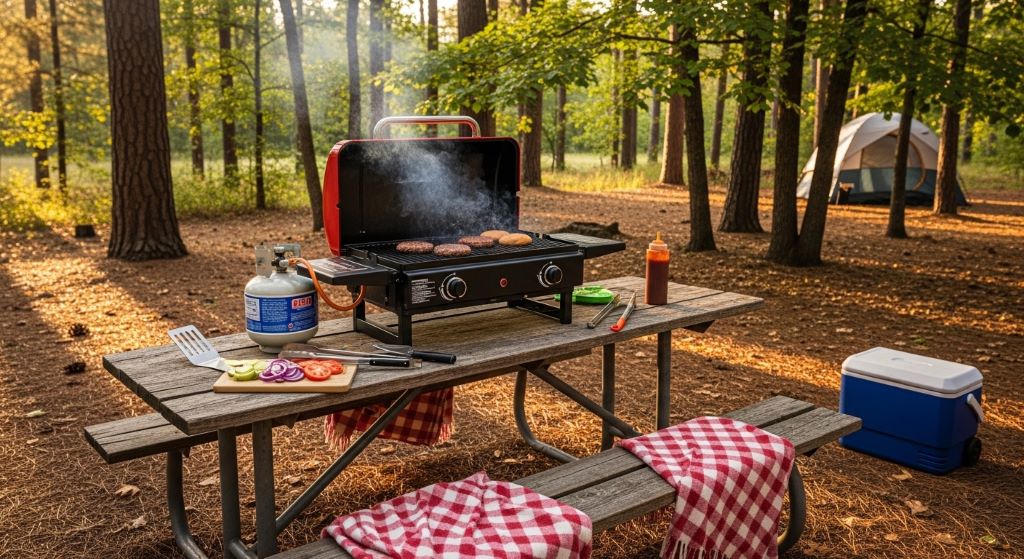
There is something special about cooking outdoors. The smell of food on an open flame, the sound of a sizzle, and the fresh air all make the experience memorable. However, not every outdoor cooking setup needs to be big and permanent. Sometimes, all you need is a reliable, portable grill that fits your lifestyle.
Whether you are grilling in your backyard on a quiet evening or cooking at a campsite miles from home, the right portable grill can make everything easier. This guide will help you choose wisely, so you get the most out of every cookout.
Why Portable Grills Are Worth the Investment
Portable grills have come a long way. They used to be flimsy and unreliable. Today, many models deliver excellent cooking results and hold up well over time.
A good portable grill gives you flexibility. You can use it at home, take it on road trips, bring it to the beach, or pack it for a camping weekend. Additionally, it takes up far less space than a full-size grill. For people with small backyards, balconies, or apartments, that matters a great deal.
Therefore, choosing the right one is not just about convenience. It is about getting real value from a tool you can use in many different situations.
Types of Portable Grills You Should Know
Before you start shopping, it helps to understand the main types. Each one suits a different need and cooking style.
Charcoal Portable Grills
Charcoal grills give food that classic smoky flavor many people love. They are simple in design and often very affordable. However, they take longer to heat up and require cleanup after each use. They work best for slower, relaxed cookouts where you have some time to spare.
Gas and Propane Portable Grills
Propane grills heat up quickly and are easy to control. You can adjust the flame with a simple knob. They are a popular choice for tailgating and camping trips. The main downside is that you need to carry a fuel canister. However, small propane canisters are easy to find at most hardware and outdoor stores.
Electric Portable Grills
Electric grills are clean and simple to use. They work well in places where open flames are not allowed, such as some campgrounds or apartment balconies. However, they require a power source, which limits where you can use them.
Pellet Portable Grills
Pellet grills use wood pellets as fuel and offer a rich, smoky flavor similar to charcoal. They are a newer option in the portable category. They tend to cost more, but many outdoor cooking fans find them worth the price for the flavor they deliver.
Key Factors to Consider Before You Buy
Size and Weight
Size matters a lot when choosing a portable grill. Think about where you plan to use it most. If you are mostly grilling in your backyard, a slightly larger model is fine. If you plan to travel frequently, you need something lighter and more compact.
Compact grills that weigh under fifteen pounds are ideal for travel. They fit in car trunks easily and do not add much weight to your load. Look for folding legs and handles that make carrying simpler.
Cooking Surface Area
The cooking surface tells you how much food you can prepare at once. A small grill with a cooking area around 150 to 200 square inches works well for two to four people. If you often cook for larger groups, look for something closer to 300 square inches.
Additionally, consider what you plan to cook. Burgers and steaks need direct heat and a flat surface. Vegetables and fish may benefit from a grill with adjustable grates.
Fuel Efficiency
A portable grill should not burn through fuel too quickly. This is especially important on long trips where restocking is not easy. Read reviews carefully for mentions of fuel consumption. A grill that is fuel-efficient will save you money and hassle over time.
Build Quality and Materials
A grill built from thin, lightweight plastic will not last long. Look for models made with cast iron grates, stainless steel bodies, or porcelain-coated surfaces. These materials handle heat well and resist rust.
Furthermore, check the hinges, latches, and legs. These are the parts that take the most stress during travel. If they feel flimsy in the store or look poorly constructed in product photos, they will likely fail sooner than expected.
Heat Output
Heat output is measured in BTUs (British Thermal Units) for gas grills. A higher BTU rating generally means faster heating, but it also means more fuel use. For a compact travel BBQ grill, somewhere between 8,000 and 12,000 BTUs is usually enough for great results.
For charcoal grills, heat output depends on the amount of charcoal used and airflow. Look for models with adjustable vents so you can control the temperature more precisely.
Features That Make a Big Difference
Folding and Locking Mechanisms
A grill that folds flat or locks shut for travel is far more practical than one that does not. Look for models with secure latches so the lid does not pop open in transit. Folding legs add stability during use and reduce bulk during storage.
Carrying Case or Bag
Some portable grills come with a carrying case or bag. This protects the grill during transport and keeps your car or pack clean. If your chosen model does not include one, check if compatible bags are sold separately.
Easy Ignition
Struggling to light a grill is frustrating, especially when you are hungry after a long hike or drive. Gas grills with a built-in igniter are convenient and reliable. For charcoal models, wide air vents and a good chimney starter make lighting much easier.
Ash and Grease Management
Cleaning a grill after cooking is nobody’s favorite task. However, it is necessary. Look for grills with removable ash catchers or drip trays. These features make cleanup much faster and keep the grill working properly over time.

Best Uses for a Portable Outdoor Grill
A portable outdoor grill fits naturally into many situations. Here are some of the most common ways people use them:
- Backyard grilling when a full-size grill is not needed
- Camping trips at designated fire zones or campgrounds
- Tailgating before sports events
- Beach outings and picnics in parks
- Road trips with overnight stops at campsites
- Balcony cooking in apartments or condos
The versatility of a compact travel BBQ grill is one of its greatest strengths. You get a single tool that works across many settings without taking up much space.
Top Brands to Consider
Several brands have earned strong reputations in the portable grill market. Weber, Coleman, Cuisinart, and Char-Broil all offer well-reviewed portable models. Each brand brings something slightly different to the table.
Weber is known for durability and even heat distribution. Coleman focuses on value and ease of use for outdoor enthusiasts. Cuisinart offers stylish designs with solid cooking performance. Char-Broil delivers reliable gas grills at accessible price points.
However, brand loyalty should not replace research. Read current reviews and look for models that match your specific needs, not just your favorite name.
How to Set a Realistic Budget
Portable grills range widely in price. You can find basic charcoal options for under thirty dollars. Mid-range propane grills typically fall between sixty and one hundred fifty dollars. High-end pellet or premium gas models can cost several hundred dollars.
For most people, a budget of eighty to one hundred fifty dollars is a good starting point. In that range, you can find compact grills that are well-built, easy to use, and capable of producing excellent food.
If you plan to use the grill very frequently or for large groups, it may be worth spending more. However, for occasional backyard use or weekend camping, a mid-range model will serve you well.
Safety Tips for Using a Portable Grill
Safety should never be an afterthought. A few simple habits will keep every cookout safe and enjoyable.
Always place the grill on a flat, stable surface. Keep it away from tents, canopies, dry grass, and any flammable materials. Never use a grill indoors or in enclosed spaces, as this creates a carbon monoxide risk. Additionally, let the grill cool completely before packing it away or moving it.
For propane grills, check the fuel line and connections before each use. A small leak can become a big problem very quickly. Therefore, taking a moment to inspect your equipment is always time well spent.
Conclusion
Choosing the right portable outdoor grill does not have to be complicated. Start by thinking about where and how often you plan to use it. Then consider size, weight, fuel type, and build quality. Set a realistic budget and compare a few trusted brands before making your final decision.
Long-lasting compact grills reward you with flexibility, great-tasting food, and years of reliable use. Whether you are cooking steaks in the backyard or burgers at a campsite, the right grill turns any outdoor moment into a proper cookout.
Invest in quality, follow safe practices, and your portable grill will be one of the most useful tools you own.
Frequently Asked Questions
What is the best fuel type for a portable grill used during travel?
Propane is generally the best choice for travel. It heats up quickly, is easy to control, and fuel canisters are widely available at most outdoor and hardware stores.
How do I clean a portable grill after use?
Let the grill cool completely first. Then remove grates and wash them with warm soapy water. Empty any ash or grease trays and wipe down the interior. For stubborn residue, a grill brush works well.
Can I use a portable grill on an apartment balcony?
It depends on your building rules and local regulations. Electric grills are usually the safest option for balconies since they produce no open flame. Always check with your building management before using any grill on a balcony.
How many BTUs do I need for a portable propane grill?
For most portable uses, 8,000 to 12,000 BTUs is more than sufficient. Higher BTU ratings heat up faster but also consume more fuel, which matters on longer trips.
Are portable grills suitable for large family gatherings?
Most portable grills are designed for two to six people. For larger gatherings, look for models with a cooking surface of at least 280 to 300 square inches, or consider using two units side by side for more capacity.
Related Topics:
Spoiled Pork? How to Know If Pork Is Bad Before You Cook
Four considerations when refurbishing your kitchen on a budget


