
Maintaining a comfortable indoor temperature throughout the year is essential for both comfort and energy efficiency. By implementing effective strategies, you can enjoy a calm and inviting home even during the hottest months. Focusing on residential air conditioning solutions and home maintenance tips will help you maximize your system’s performance while keeping costs under control.
Whether you’re facing scorching summers or unexpected heatwaves, upgrading your cooling approach ensures your home remains pleasant and your energy bills manageable. Understanding best practices for optimizing cooling and minimizing energy waste is crucial to achieving long-term satisfaction and savings.
From professional HVAC care to home improvements and intelligent automation, this guide will walk you through the most effective air conditioning and home-cooling techniques. Small changes in daily habits and equipment use can make a significant difference, improving your quality of life while supporting eco-friendly energy practices.
After addressing the basics of optimal climate control, you’ll be prepared to handle humidity, heat leaks, and inefficient appliances—all while backing up your comfort with reputable products and services. For more customer-focused information on air conditioning solutions, visit a local expert who can tailor recommendations to your needs.
Regular Maintenance of Your AC Unit
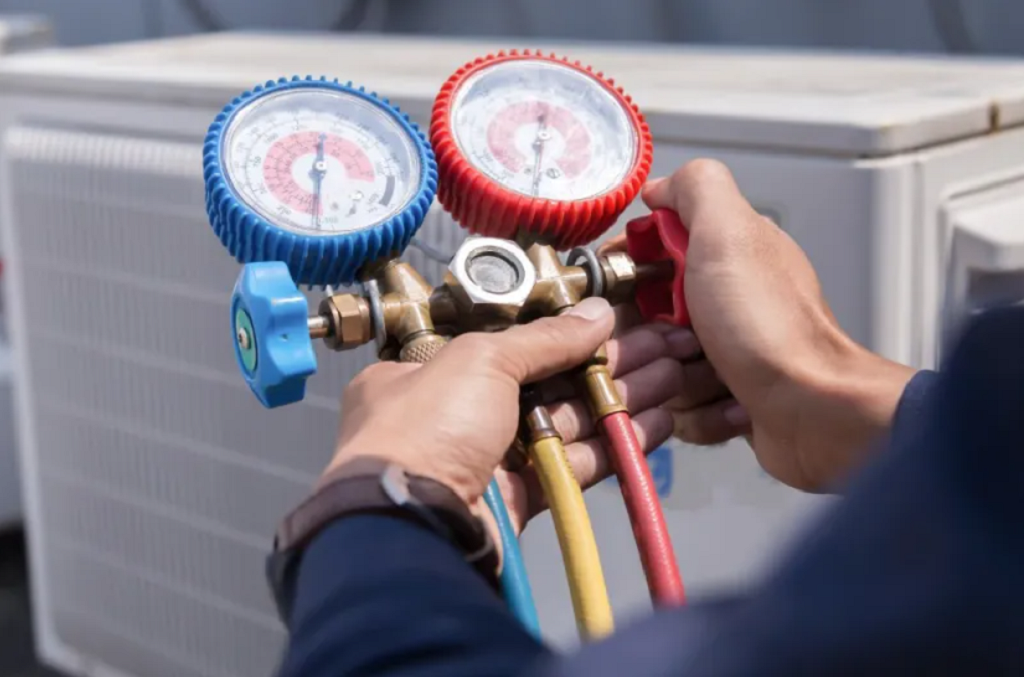
Proper maintenance of your air conditioning system is essential for reliable performance, optimal efficiency, and maintaining good indoor air quality. Change or clean your air filters every one to three months, as clogged filters can restrict airflow and overburden your AC unit, increasing energy use. Schedule annual professional check-ups to catch minor problems early—HVAC technicians inspect refrigerant levels, electrical connections, and system controls to ensure optimal functioning.
Optimal Thermostat Settings
Choosing the proper thermostat settings can prevent unnecessary cooling expenses. According to the U.S. Department of Energy, setting your thermostat to 78°F when you’re home is cost-effective during summer months. Using a programmable or smart thermostat allows you to automatically raise the temperature when you’re away or asleep, reducing wasted energy and lowering utility bills. These minor adjustments can save up to 10% a year on heating and cooling costs.
Utilizing Ceiling Fans
Ceiling fans enhance your comfort by moving air and creating a cooling breeze that helps rooms feel several degrees cooler. When used in conjunction with your air conditioning, you can raise the thermostat setting and still feel cool, thereby reducing your system’s run time. Remember, fans cool people—not rooms—so turn fans off when you leave to save energy.
Effective Window Treatments
Windows can be a significant source of unwanted heat gain inside your home. Adding window treatments, such as blackout curtains, insulated shades, or reflective films, can help block solar radiation and maintain cooler indoor temperatures. Solar shades, in particular, are ideal for living spaces where you want to minimize glare but still allow some natural light.
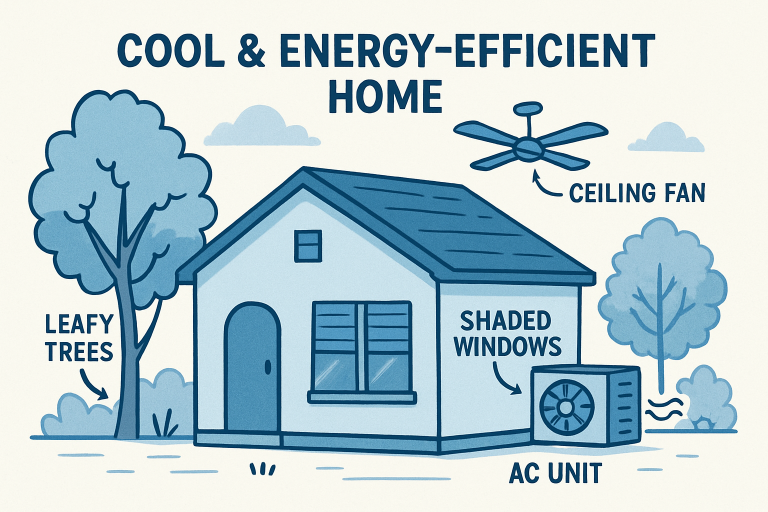
Installing high-performance, low-emissivity (low-e) windows also significantly reduces the amount of heat that enters your home through the glass, further improving both comfort and efficiency.
Sealing and Insulating Your Home
Effective sealing and insulation are cornerstones of energy-efficient homes. Drafts around windows, doors, or ducts can let cooled air escape, leading to increased cooling demand. Use weather-stripping and caulk to seal gaps and cracks, and don’t forget to insulate your attic, walls, and floors to help keep your home sealed tight. This can lower your air conditioning costs and stabilize indoor temperatures.
Upgrading to Energy-Efficient Equipment
If your current AC is more than a decade old, upgrading to a modern, energy-efficient model is a smart move. ENERGY STAR®-certified air conditioners, dehumidifiers, and ceiling fans consistently use less energy to deliver the same or better performance. Variable-speed compressors, smart controls, and improved refrigerants all contribute to higher efficiency and reliability for new systems. Consider consulting reviews from trusted sources like Consumer Reports when choosing your next AC unit.
Strategic Landscaping
Natural shade is a powerful ally in keeping your home cool and comfortable. Planting trees, shrubs, or vines near sun-exposed windows—especially on the east and west sides of your home—can block direct sunlight and significantly lower indoor temperatures. Native plants and drought-tolerant landscaping offer additional environmental benefits and require less maintenance.
Legal Considerations
When planning landscaping changes, ensure that any tree-planting conforms to local building codes and HOA rules.
Managing Heat-Generating Appliances
Some appliances, such as ovens, clothes dryers, and dishwashers, generate significant heat when used. To avoid raising temperatures, use these appliances during cooler parts of the day or consider energy-saving alternatives, such as grilling outdoors or air-drying laundry. Turning off lights, computers, and other electronic devices when they’re not in use also helps minimize added heat indoors.
Conclusion
Embracing a holistic, year-round approach to home cooling ensures maximum comfort, efficiency, and cost savings. Regular AC maintenance, thoughtful thermostat management, strategic use of fans and window treatments, proper sealing and insulation, modern equipment upgrades, mindful landscaping, and wise appliance use all play critical roles in keeping your living space comfortable regardless of the season. For tailored solutions and expert assistance, contact local HVAC professionals who can optimize your air conditioning system to meet your family’s specific needs.