Introduction to Roof Maintenance
Roof maintenance plays an integral part in home maintenance. It’s about more than just fixing leaks or replacing shingles; it’s about ensuring your home is secure and energy efficient. A well-maintained roof is a barrier to severe weather and helps conserve energy by maintaining appropriate indoor temperatures. Consistent upkeep can substantially extend the life of your roof, reducing the need for costly replacements and ensuring the roof remains an effective barrier.
A proactive approach to maintenance involves regular inspections, incorporating high-quality materials during repairs, and understanding the components that contribute to a roof’s durability. By anticipating issues and managing minor problems before they escalate, homeowners can avoid major repairs or premature roof replacements.
Importance of Regular Inspections
Regular roof inspections are crucial. These inspections can uncover hazards like damaged shingles, unwanted moss growth, or blocked gutters that might expedite the roof’s deterioration. It’s advisable to have professional inspections biannually, particularly before and after winter, when adverse conditions can cause the most damage. Early detection of issues also allows for timely roof repair, helping to prevent minor problems from escalating into costly structural damage.
A professional can spot subtle issues that may go unnoticed by an untrained eye and provide a detailed assessment of the roof’s condition. This proactive measure ensures that homeowners stay ahead of problems, addressing them long before they affect the home’s integrity or safety.
Cleaning Debris and Gutters
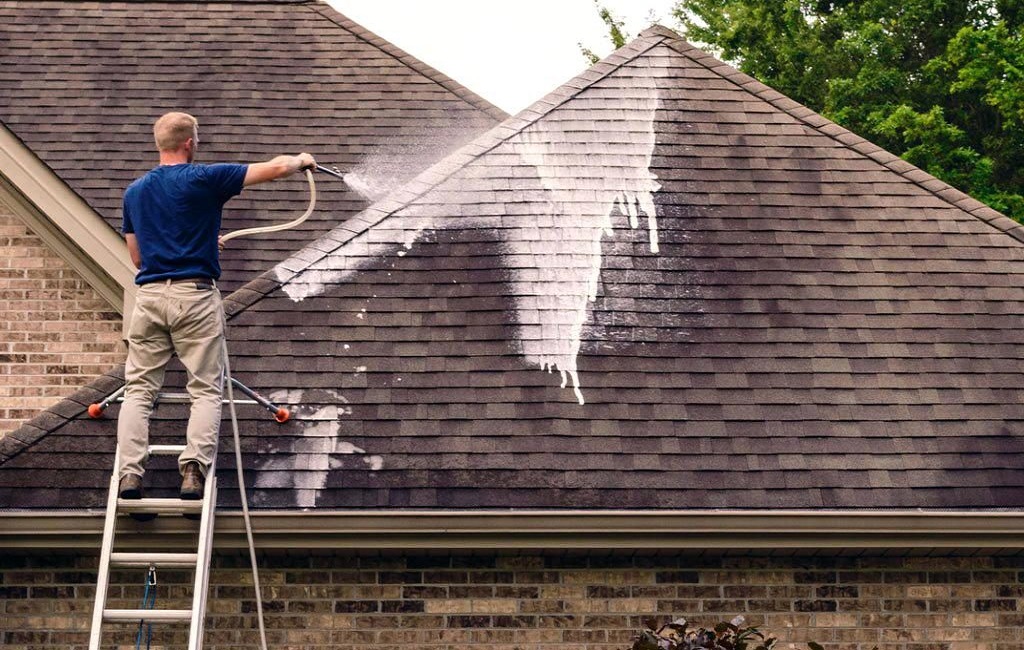
One often overlooked yet essential maintenance task is cleaning debris and gutters. Clogged gutters can lead to water damage, which can weaken the roof’s structural integrity. Leaves, branches, and other debris can also trap moisture on the roof surface, promoting rot and mold.
It’s recommended to clean gutters and remove debris twice a year, primarily after high winds or heavy storms. This routine ensures water flows freely, preventing potential leaks and extending the roof’s life.
Addressing Minor Repairs Promptly
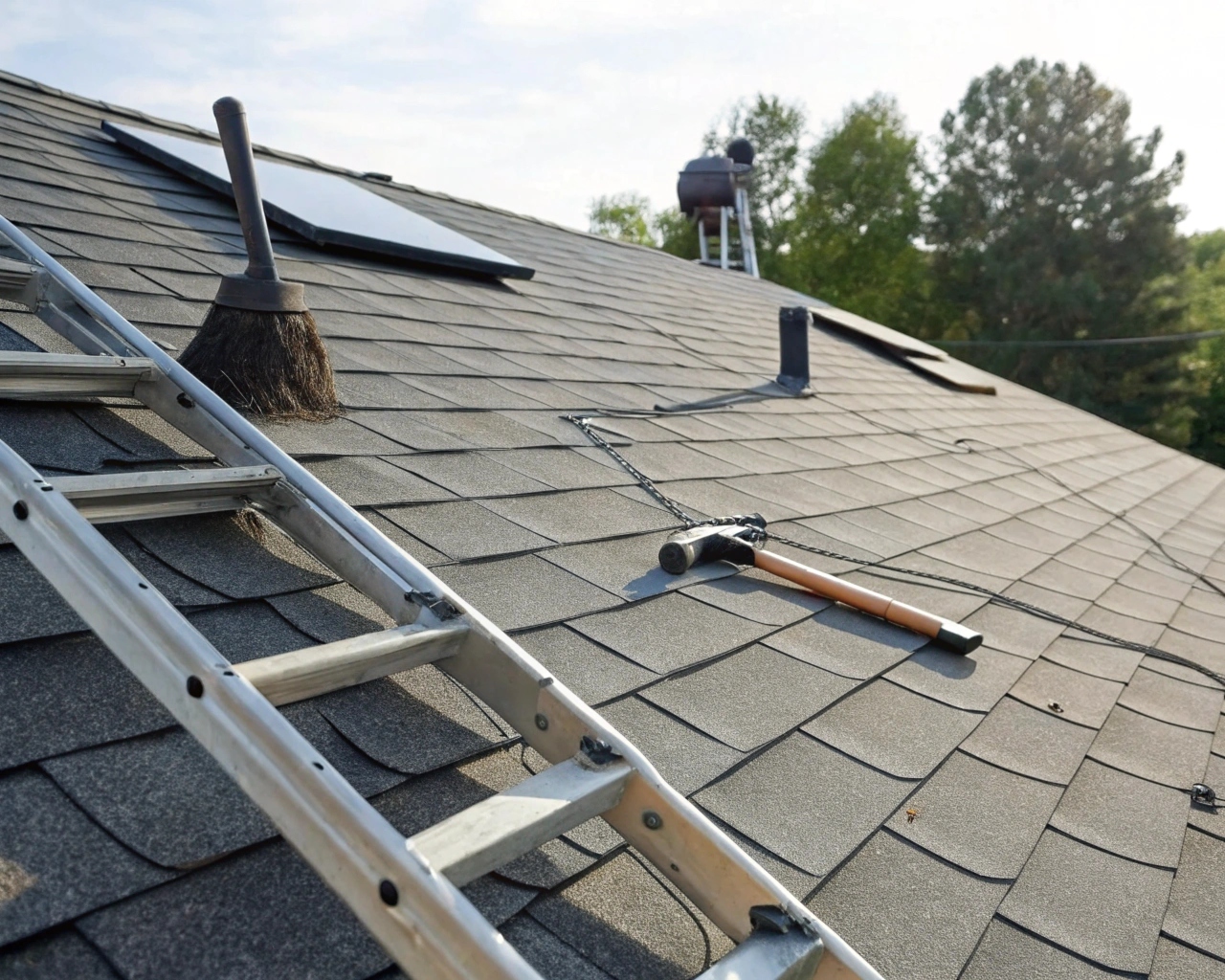
Minor repairs should never be postponed. Small issues, such as a single loose shingle or an initially minor leak, can quickly become significant problems that threaten the structural integrity of your home. According to expert roofers, addressing these repairs promptly can prevent escalation to substantial repairs, defined by increased costs and invasive construction.
Dealing with minor repairs as soon as they are identified maintains the roof’s integrity, mitigates potential future issues, and ultimately extends the roof’s life, maximizing the homeowner’s investment in its maintenance.
The Role of Ventilation and Insulation
Adequate ventilation and insulation are key to maintaining a roof’s health. These elements help regulate the home’s temperature and prevent moisture buildup, which can cause mold and other damage. Proper ventilation in the attic area allows heat and moisture to escape, reducing the risk of warping, rotting, and moisture-related problems within the home.
Ensuring your attic is properly ventilated is a step towards a healthy roofing system. Insulation, however, helps prevent heat and moisture from entering the roofing system from the living areas, balancing roof temperatures and extending the roof’s lifespan.
Choosing Quality Materials
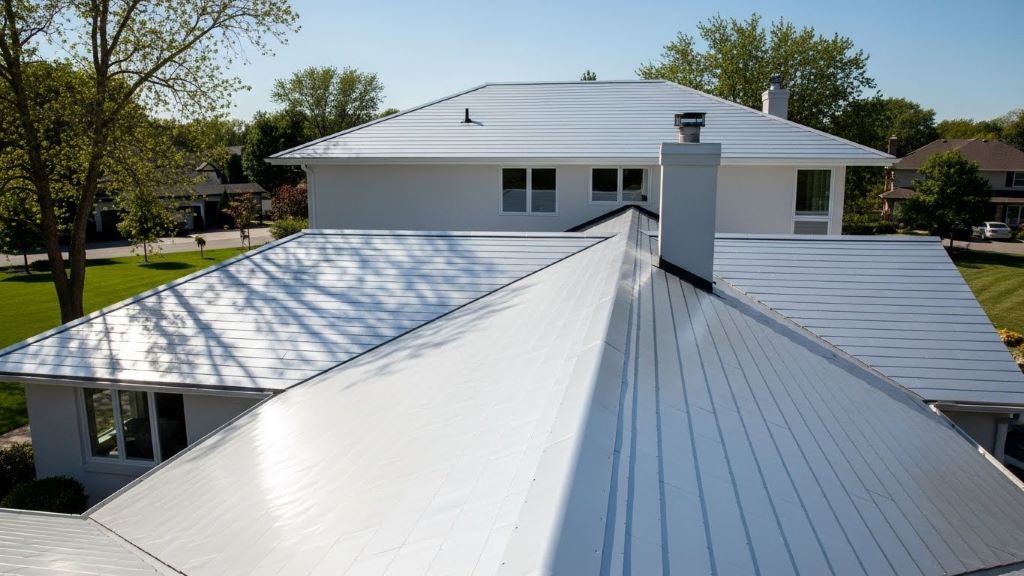
High-quality materials can pay off in the long run for repairs or replacements. While the initial investment might be higher, durable materials are better suited to withstand weather and time, reducing the frequency and cost of repairs. Investing in quality also means faster, less frequent replacements or repairs, resulting in less disruption to your home life.
Choosing materials suited to your local climate also further aids in achieving longevity, ensuring the roof is not prematurely worn down by environmental conditions.
When to Consult a Professional
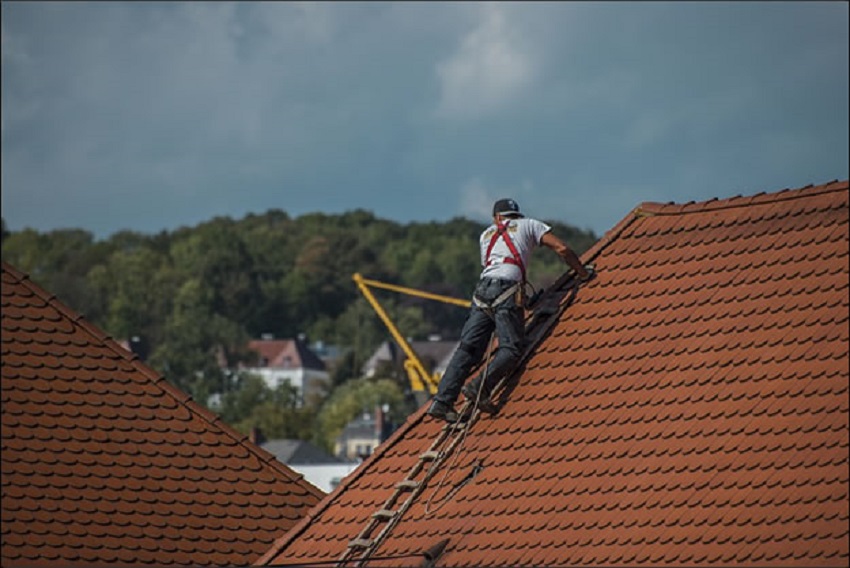
While DIY approaches can be practical for basic maintenance tasks, knowing when to call in a professional is critical. Complex issues such as structural damage or significant leaks require professional expertise to ensure that repairs are conducted safely and thoroughly. Professionals bring experience and specialized equipment that can provide long-term solutions to challenging problems.
Conclusion: Maintaining Your Roof’s Health
Taking proactive steps to maintain your roof can prolong its life and ensure it is a robust defense against the elements. By addressing problems promptly through regular inspections, cleaning, choosing quality materials, and understanding when to seek professional help, homeowners can safeguard their homes and preserve their investments for years. Roof maintenance is an ongoing process for your home’s long-term durability and safety.