
Why Every Homeowner Needs the Right Plumbing Tools
A leaky faucet at midnight. A clogged drain before guests arrive. These moments happen to every homeowner. When they do, having the right tools on hand can save you both time and money.
However, walking into a hardware store can feel overwhelming. There are hundreds of tools on the shelves, and it is not always clear which ones you actually need. The good news is that you do not need to buy everything at once. You just need to make smart choices from the start.
This guide will walk you through exactly how to pick the right plumbing tools for everyday home use in 2026. Whether you are a first-time homeowner or someone who wants to handle more repairs independently, this article is for you.
Understand Your Home’s Plumbing Needs First
Before you spend a single dollar, take a moment to think about your home. Every house is different. An older home with galvanized steel pipes has different needs than a newer build with PVC or PEX tubing.
Ask yourself a few simple questions. Do you have a basement with exposed pipes? Are your fixtures older or newer? How often do you deal with clogs or leaks? Your answers will shape the tools you should prioritize.
Additionally, consider the size of your home. A single-bathroom apartment needs far fewer tools than a three-bathroom house. Starting with what matches your situation is always the wisest approach.
Start With the Essentials
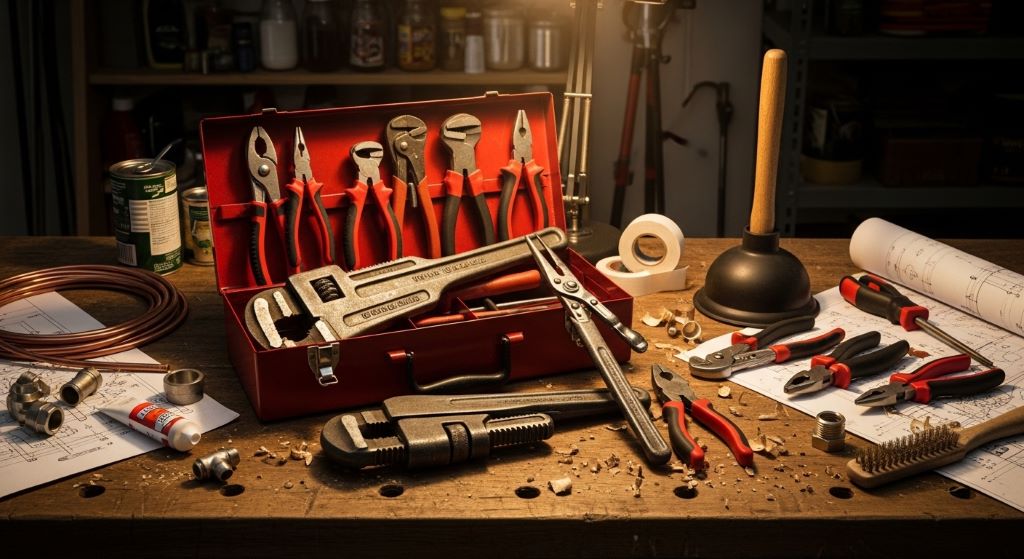
Every homeowner should own a core set of basic plumbing tools. These are the items that handle the most common problems. They are also the tools that professionals reach for most often.
Here are the must-have items to begin with:
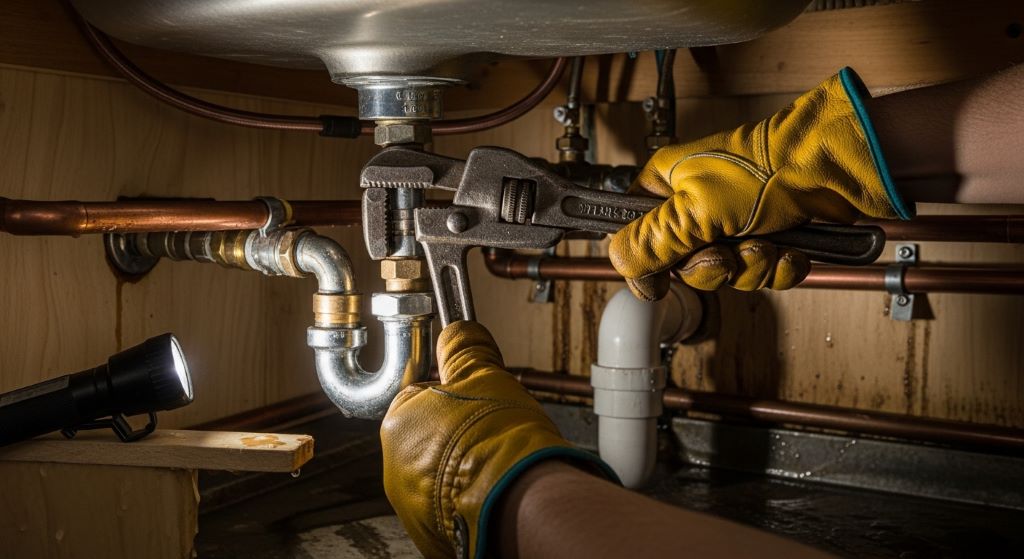
- Pipe wrench: This is the workhorse of plumbing. It grips and turns pipes and fittings with ease. Choose a 10-inch and a 14-inch wrench so you have options for different pipe sizes.
- Adjustable pliers (Channellock pliers): These are versatile and easy to use. They work well for tightening supply lines and removing nuts in tight spaces.
- Plunger: No home should be without one. A cup plunger handles sink clogs, while a flange plunger is designed specifically for toilets.
- Plumber’s tape (Teflon tape): This thin white tape seals threaded pipe connections. It prevents leaks and costs very little.
- Pipe cutter: A wheel-style pipe cutter gives you clean, precise cuts on copper or PVC pipes. It is far safer and more accurate than a hacksaw for this job.
- Drain snake (hand auger): When a plunger is not enough, a drain snake reaches deeper into the pipe to break up stubborn clogs.
These six items form the foundation of any solid DIY plumbing kit. They handle the repairs that come up most often in a typical home.
Choosing Quality Over Quantity
It is tempting to buy a cheap set of tools and call it done. However, low-quality tools often fail when you need them most. They can strip pipe fittings, snap under pressure, or rust after a few uses.
Therefore, focus on buying fewer tools of better quality. Brands like Ridgid, Irwin, and Milwaukee have strong reputations in the plumbing world. Their tools cost more upfront, but they last for years and perform reliably.
When shopping, check for the following features. Look for comfortable, non-slip grips. Make sure metal parts are corrosion-resistant. Read customer reviews from verified buyers, especially for items like wrenches and drain snakes. A tool that gets consistently positive feedback from real users is usually a safe bet.
Know the Difference Between Hand Tools and Power Tools
Most home plumbing repairs do not require power tools. Hand tools are safer for beginners and easier to control in tight spaces. However, some jobs do benefit from powered assistance.
For example, a cordless drill is useful when you need to install new fixtures or run supply lines through walls. A reciprocating saw can help when cutting through old pipes during a replacement project. These are not everyday tools, though. Most homeowners can rent them when needed rather than buying.
Additionally, some newer smart tools have entered the market in recent years. Digital leak detectors, for instance, can identify hidden water damage behind walls before it becomes a serious problem. Pipe inspection cameras let you see inside drains without any guesswork. These tools are worth considering if you own an older home or deal with recurring plumbing issues.
Pipe Material Matters When Choosing Tools
The type of pipes in your home affects which tools you need. This is a detail that many guides overlook, but it is genuinely important.
Copper pipes are common in homes built before the 1990s. They require a copper pipe cutter and soldering equipment if you need to join sections. Soldering involves a torch, flux paste, and solder wire. This adds complexity, so beginners should practice on scrap pieces first.
PVC pipes are white plastic and are widely used for drain lines. They are easy to cut with a PVC cutter or a fine-tooth handsaw. You join them using PVC cement and primer. No heat is required, which makes PVC work more beginner-friendly.
PEX tubing is flexible and increasingly popular in newer construction. It requires special PEX-specific fittings and a crimping or expansion tool. These tools are more specialized, so purchase them only if your home actually uses PEX.
Knowing your pipe material before you shop helps you avoid buying tools that will not work in your home.
Build Your DIY Plumbing Kit Gradually
You do not need to assemble a complete DIY plumbing kit in one shopping trip. In fact, building it gradually is a smarter strategy. Start with the essentials mentioned earlier. Then add tools as specific situations arise.
For instance, if you decide to replace a toilet, you will need a wax ring, an adjustable wrench, and possibly a hacksaw. If you install a new showerhead, all you likely need is plumber’s tape and a pair of pliers. Each project teaches you something new and reveals which tools are actually useful for your home.
Over time, your collection will grow naturally. You will also learn which brands and styles work best for you. That personal experience is more valuable than any pre-packaged tool set from a big-box store.
Storage and Organization for Your Tools
Good tools deserve proper storage. Keeping your plumbing tools organized means you can find them quickly when you need them. It also prevents damage and extends their lifespan.
A simple toolbox or a dedicated plumbing bag works well for most homeowners. Keep your tape, fittings, and small accessories in a zippered pouch inside the bag. Hang your wrenches on a pegboard in the garage if you have the space.
Additionally, rinse and dry your tools after each use. Remove any debris or pipe cement before it hardens. A little maintenance after each job keeps your tools ready for the next one.
Safety Tips When Using Plumbing Tools
Plumbing work is generally safe, but a few basic precautions go a long way.
Always shut off the water supply before starting any repair. Locate your main shut-off valve now, before you ever need it in an emergency. Wear safety glasses when cutting pipes, since small fragments can fly unexpectedly. Use gloves when handling older pipes, as they may carry residue or sharp edges.
Furthermore, know when a job is beyond your skill level. Replacing a washer or unclogging a drain is well within most people’s abilities. However, working with gas lines, moving load-bearing walls, or dealing with sewage backflow requires a licensed professional. Recognizing that boundary protects both your safety and your home.
Where to Buy Plumbing Tools in 2026
You have more options than ever when it comes to purchasing tools. Local hardware stores like Home Depot and Lowe’s carry a wide selection and allow you to handle tools before buying. This is valuable, especially for items like wrenches where grip and weight matter.
Online retailers such as Amazon offer competitive prices and extensive customer reviews. However, always check the seller’s rating and return policy before buying. Some listings feature low-quality replicas of well-known brands, so read carefully.
Specialty plumbing supply stores are another excellent option. They carry professional-grade tools that general hardware stores do not always stock. Staff at these shops often have hands-on experience and can guide your purchase decisions.
Conclusion
Choosing the right plumbing tools for home use does not have to be complicated. Start by understanding your home’s specific needs and pipe types. Build your collection around a solid set of basic plumbing tools that handle everyday repairs. Prioritize quality over quantity, and add specialized items only as your projects require them.
A well-chosen DIY plumbing kit gives you confidence and independence as a homeowner. It helps you respond quickly to small problems before they become expensive ones. With the right tools and a little practice, you can handle most common plumbing tasks safely and effectively. In 2026, being prepared has never been more accessible or more affordable.
Frequently Asked Questions
What are the most important plumbing tools for a first-time homeowner?
The most important tools to start with are a pipe wrench, adjustable pliers, a plunger, plumber’s tape, a pipe cutter, and a hand drain snake. These cover the most common plumbing issues that arise in any home.
How much should I budget to build a basic plumbing tool kit?
A solid starter set of quality plumbing tools typically costs between $100 and $200. You do not need to buy everything at once. Start with six to eight essentials and expand from there.
Can I use the same tools for copper and PVC pipes?
Some tools, like adjustable pliers and pipe wrenches, work for both. However, cutting tools differ. You need a copper pipe cutter for copper and a PVC cutter or fine-tooth saw for plastic pipes. Always match your cutting tool to your pipe material.
Is it worth buying a pipe inspection camera for home use?
If your home has recurring drain issues or you own an older property, a pipe inspection camera can be a worthwhile investment. Entry-level models are now available for under $50 and connect directly to your smartphone.
When should I call a professional plumber instead of doing it myself?
Call a professional when you are dealing with gas lines, major pipe replacements inside walls, sewage backups, or any situation where water damage risk is high. Simple repairs like fixing a dripping faucet or clearing a clogged drain are generally safe for DIY work.
Related Topics:
Portland’s Plunge Party: Fun Ways to Tackle Stubborn Drain Clogs
PVC Push Pull Valve Repair: A Complete Guide to Fixing Common Issues


