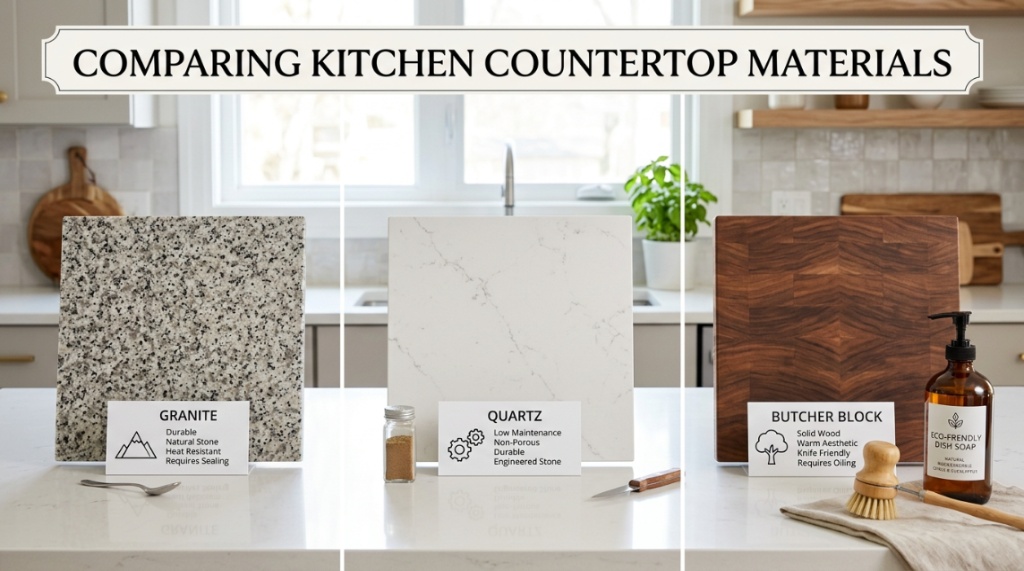
You just spent an hour scrubbing your kitchen counters, but now your eyes are watering from the chemical fumes, and your hands feel raw. Worse, you are not even sure the spray you used is safe for your granite or butcher block surface. If this sounds familiar, you are not alone. The problem is that most conventional countertop cleaners are either too harsh for your stone or packed with toxins that linger where you prepare food. The solution lies in safe countertop cleaning methods that protect your family, preserve your surfaces, and still cut through kitchen grime effectively. In this guide, we will walk you through exactly how to clean every major countertop material without damage or dangerous residues.
What Makes a Countertop Cleaning Method Safe?
Defining Safety for Surfaces and People
A truly safe cleaning method does two things simultaneously. First, it must be chemically inert on the surface material, meaning it will not etch, stain, or degrade the sealant. Second, it must be non-toxic to humans and pets, leaving behind no harmful residues that could transfer to food or be inhaled. Most commercial all-purpose cleaners fail at least one of these criteria, using acids that etch marble or ammonia that dulls granite.
Common Ingredients to Avoid
To understand safety, you have to read labels critically. Steer clear of bleach, ammonia, phosphates, phthalates, and synthetic fragrances. These ingredients can strip sealants, cause respiratory irritation, and linger on food-prep surfaces. Vinegar and lemon juice, while natural, are highly acidic and will damage natural stone and unsealed wood over time.
The Role of pH Balance
Safe cleaning often comes down to pH neutrality. A pH-neutral cleaner sits around 7 on the pH scale, meaning it is neither acidic nor alkaline. This ensures it can tackle grease and bacteria without chemically reacting with your countertop. Most stone and quartz manufacturers recommend only pH-neutral products for warranty compliance.
Why Using the Wrong Cleaner Damages Your Countertops
Acidic Cleaners and Natural Stone
Marble, limestone, and travertine are calcium-based stones. When you apply an acidic cleaner like vinegar or lemon juice, it creates a chemical reaction called etching. Etching leaves dull, whitish spots that cannot be wiped away; only professional honing can fix them. Even mild acids found in orange-oil cleaners can slowly degrade these surfaces over time.
Abrasive Scrubs and Sealed Surfaces
Scouring powders, melamine sponges (magic erasers), and rough scrub pads may seem effective, but they act like sandpaper on sealed surfaces. They scratch the finish, create micro-cracks, and strip away protective sealants. Once scratches form, bacteria can hide and stains set deeper, making the countertop much harder to keep clean.
Residue Build-Up from Harsh Chemicals
Many conventional sprays leave a sticky film that attracts dust, lint, and more bacteria. This residue is often the result of binders and fragrances that do not rinse clean. Over time, this build-up can make your counters look dull and grimy, even when they are freshly wiped. Safe cleaning methods emphasize thorough rinsing or no-rinse formulas that leave zero residue.
Which Cleaning Ingredients Are Safe for Every Countertop?
Dish Soap and Warm Water: The Universal Safe Option
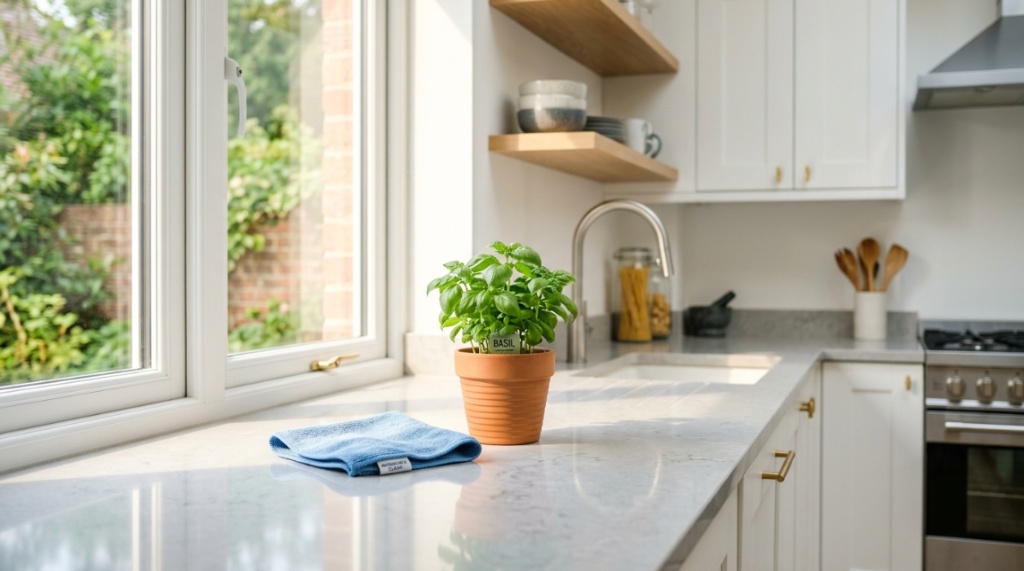
Believe it or not, the simplest option is often the best. A few drops of mild, fragrance-free dish soap mixed with warm water is safe for granite, quartz, marble, laminate, butcher block, and stainless steel. It cuts grease, removes bacteria, and leaves no harmful residue when you dry the surface properly with a microfiber cloth.
Isopropyl Alcohol as a Disinfectant
When you need actual disinfection, 70% isopropyl alcohol diluted with water (1:1 ratio) is a safe choice for sealed stone, quartz, and solid surfaces. It evaporates quickly, does not leave streaks, and is non-toxic after evaporation. However, avoid alcohol on unsealed wood or porous tile, as it can dry out the material and cause cracking.
Baking Soda for Gentle Scrubbing
For stuck-on food or dried spills, baking soda provides gentle abrasive power without scratching. Make a paste with a tiny amount of water, apply it to the stain, and let it sit for five minutes before wiping. This works beautifully on laminate, stainless steel, and glazed ceramic tiles. Avoid using baking soda on unsealed marble, as the fine particles can still be slightly abrasive.
| Ingredient | Safe For | Not Safe For |
|---|---|---|
| Dish soap + water | All sealed countertops | None |
| Isopropyl alcohol 70% | Granite, quartz, stainless steel | Unsealed wood, porous stone |
| Baking soda paste | Laminate, tile, stainless steel | Marble, unsealed limestone |
| White vinegar | Glass, ceramic tile | Marble, granite, limestone, quartz |
| Hydrogen peroxide | Laminate, sealed granite | Dark stone, unsealed butcher block |
How to Safely Clean Granite and Marble Countertops
Why Stone Requires Special Attention
Granite and marble are porous natural stones that rely on a sealant to repel liquids. The wrong cleaner can break down that sealant within weeks. Once the sealant fails, your countertop absorbs every spill, from red wine to lemon juice, leading to permanent stains and etching.
Step-by-Step Cleaning Routine for Granite
Start by dusting crumbs with a dry microfiber cloth. Spray a pH-neutral stone cleaner or a mix of mild dish soap and water onto the surface. Wipe with a damp microfiber cloth, then immediately dry with a separate clean cloth to prevent water spots. For disinfecting, use a 70% alcohol spray, but only if your granite is sealed and polished,Keeping your surfaces pristine doesn’t require expensive, harsh chemicals. In fact, using safe kitchen countertop cleaning methods is the best way to extend the lifespan of your materials especially if you are trying to Build a Budget Kitchen using cost-effective finishes.
How to Spot-Clean Marble Without Etching
Marble is the most sensitive stone. Never spray liquid directly onto the marble. Instead, mist your microfiber cloth lightly with a pH-neutral cleaner and wipe. Blot spills immediately no rubbing with a soft cloth. For stains, a poultice of baking soda and water left overnight can draw out oils without damaging the stone.
Which Store-Bought Cleaners Are Truly Safe?
Reading Labels for Key Certifications
Not all store-bought cleaners are safe, even if they claim to be natural. Look for third-party certifications such as Green Seal, EPA Safer Choice, or Leaping Bunny (for cruelty-free). These certifications verify that ingredients are non-toxic and biodegradable. Avoid products with vague claims like “eco-friendly” without supporting certification.
Features to Look for in a Safe Spray
A truly safe spray should be pH-neutral, fragrance-free or naturally scented with essential oils, biodegradable, and free of dyes. It should also explicitly state that it is safe for natural stone or the specific material of your countertop. Many brands now offer concentrated tablets or powders that you mix with water at home, reducing plastic waste and chemical exposure.
Our Top Recommendation for Store-Bought Safety
If you prefer a ready-to-use option, look for sprays specifically formulated for stone and quartz that use plant-based surfactants and food-grade preservatives. For a great selection of professional-grade, surface-safe sprays designed for Michigan households, we recommend exploring safe countertop cleaning methods that align with stone manufacturer warranties.
How to Clean Quartz Countertops Without Damaging the Resin
Understanding Quartz’s Unique Sensitivity
Quartz countertops are engineered from crushed stone and resin binders. The resin is what makes quartz non-porous, but it is also sensitive to extreme heat and harsh chemicals. Cleaners with high acidity, alkaline levels, or solvents can yellow the resin, dull the finish, or cause micro-crazing (fine cracks in the surface).
The Daily Cleaning Protocol for Quartz
For everyday cleaning, use warm water and a drop of gentle dish soap on a soft sponge. Rinse thoroughly and dry with a microfiber cloth. Quartz does not require sealing, so avoid waxes or polish sprays that can build up and attract dirt. For stubborn dried food, let a damp cloth sit on the spot for a few minutes to soften it before wiping.
What to Avoid at All Costs
Never use abrasive pads, scouring powders, or bleach-based cleaners on quartz. Even exposure to harsh drain cleaners or paint removers can permanently damage the surface. Also, avoid placing hot pans directly on quartz, as thermal shock can crack the resin binder from within.
Are Homemade Cleaners Safe for Kitchen Countertops?
The Problem with Vinegar and Lemon Juice Recipes
Homemade cleaner recipes found on social media often rely on vinegar, lemon juice, or baking soda. While these are natural, they are not safe for most modern countertops. As mentioned, acids etch stone and degrade quartz resin. Even on sealed granite, repeated use of acidic cleaners can cause sealant failure within six months.
Homemade Solutions That Actually Work
A truly safe DIY cleaner for most surfaces is 1 cup of water, 1 cup of 70% isopropyl alcohol, and 1 teaspoon of mild castile soap. Mix in a glass spray bottle and label it clearly. This solution disinfects, cuts grease, evaporates streak-free, and is safe for sealed stone, quartz, laminate, and stainless steel.
When DIY Is Not Worth the Risk
If you spend thousands of dollars on natural stone countertops, saving a few dollars on cleaner is risky. DIY solutions lack stabilizers and preservatives found in commercial products, meaning they can spoil or grow bacteria over time. Additionally, you cannot guarantee the correct pH balance without testing strips. For high-end surfaces, commercial pH-neutral cleaners are the safer bet.
How Often Should You Clean and Disinfect Countertops?
Daily Cleaning Frequency
Wipe down your countertops with a mild soap and water solution every day after meal preparation. This removes food debris, oils, and the majority of bacteria from raw ingredients. Use a dedicated kitchen towel or disposable paper towel to avoid cross-contamination from dishcloths used on other surfaces.
Weekly Deep Cleaning Schedule
Once a week, perform a deeper clean. Use a safe cleaner specifically designed for your countertop material. For sealed stone, reapply a stone-safe disinfectant. For butcher block, lightly sand any rough spots and apply food-grade mineral oil. This weekly routine prevents build-up and extends the life of your countertops significantly.
When to Disinfect vs. When to Clean
Cleaning removes dirt and some germs; disinfecting kills remaining bacteria and viruses. Only disinfect after handling raw meat, poultry, or fish, or if someone in the house is ill. For daily routine, cleaning with soap and water is sufficient and gentler on your surfaces. Over-disinfecting can accelerate wear on sealants and finishes.
Can You Use Natural Oils to Condition and Clean?
Mineral Oil for Butcher Block Countertops
Unsealed butcher block requires conditioning to prevent drying and cracking. Food-grade mineral oil is the standard safe treatment. Apply a generous coat, let it soak for several hours or overnight, and wipe off the excess. This creates a protective barrier that also makes daily cleaning easier. Do this once a month or whenever water stops beading on the surface.
Why You Should Avoid Olive or Vegetable Oils
Olive oil, coconut oil, and vegetable oils can go rancid over time, creating unpleasant odors and sticky residues. They also attract dust and bacteria. Even nut oils like walnut or almond can cause allergic reactions for guests and go rancid quickly. Stick to mineral oil or specialized butcher block conditioners for food safety.
Essential Oils in Cleaning Solutions
Adding a few drops of tea tree, lavender, or lemon essential oil to your homemade cleaner provides natural antimicrobial properties and a pleasant scent. Tea tree oil is particularly effective against mold and mildew. However, use essential oils sparingly on porous surfaces, as concentrated oils can leave stains on light-colored stone or grout.
How to Test If Your Cleaning Method Is Safe
The Spot Test Procedure
Before using any new cleaner on your countertop, perform a spot test in an inconspicuous area. Apply a small amount of the cleaner, let it sit for five minutes, and then wipe off. Wait 24 hours and inspect for any dullness, discoloration, etching, or changes in texture. If the area looks identical to the surrounding surface, the cleaner is likely safe.
Measuring pH at Home
You can purchase inexpensive pH test strips at a drugstore or online. Dilute your cleaner with water according to instructions and test the strip. If the reading is between 6 and 8, the cleaner is pH-neutral and safe for stone and quartz. Anything below 5.5 or above 9 indicates a cleaner that could damage your countertops over time.
Checking Sealant Integrity
A simple water test reveals if your sealant is working. Splash a few drops of water on the countertop. If the water beads up, the sealant is intact. If it absorbs and darkens the stone, your sealant has failed, and you need to reseal before using any cleaner. Cleaning a countertop with failed sealant can cause immediate staining.
Frequently Asked Questions
What is the safest cleaner for all countertop types?
Mild dish soap diluted in warm water is the safest cleaner for all sealed countertop types, including granite, quartz, marble, laminate, and stainless steel. It is non-toxic, pH-neutral, and effective at removing daily grime without damaging surfaces or sealants.
Can I use vinegar to clean granite countertops?
No, vinegar is highly acidic and will etch granite and dissolve the sealant over time. Repeated use leads to dull spots and increased porosity. For granite, stick to pH-neutral stone cleaners or a mild dish soap and water solution instead.
How do I disinfect my countertops without harsh chemicals?
Use a 1:1 mixture of 70% isopropyl alcohol and water in a spray bottle. Spray on the surface, let sit for 30 seconds, and wipe with a clean cloth. This kills 99.9% of bacteria and viruses without harsh fumes or residue on sealed countertops.
Are Clorox wipes safe for quartz countertops?
Clorox wipes are not recommended for quartz. The bleach and harsh chemicals in many disinfectant wipes can break down the resin binder over time, causing yellowing and surface dullness. Use alcohol-based wipes or sprays formulated for quartz instead.
How often should I seal my granite countertops?
Granite countertops should be sealed every six months to one year. Perform the water test described earlier to check sealant status. If water absorbs quickly into the stone, it is time to apply a new coat of quality stone sealant.
Can baking soda damage my countertops?
Baking soda is generally safe for laminate, stainless steel, tile, and quartz when used as a gentle paste. However, it can be too abrasive for polished marble, limestone, and high-gloss granite finishes. Use it sparingly and only on unpolished or matte surfaces.
Is it safe to use hydrogen peroxide on butcher block counters?
Hydrogen peroxide is safe for butcher block when used occasionally for disinfecting. Do not soak the surface; apply a small amount, let it fizz for a few minutes, then rinse and dry thoroughly. Frequent use can lighten the wood color and dry out the grain.