
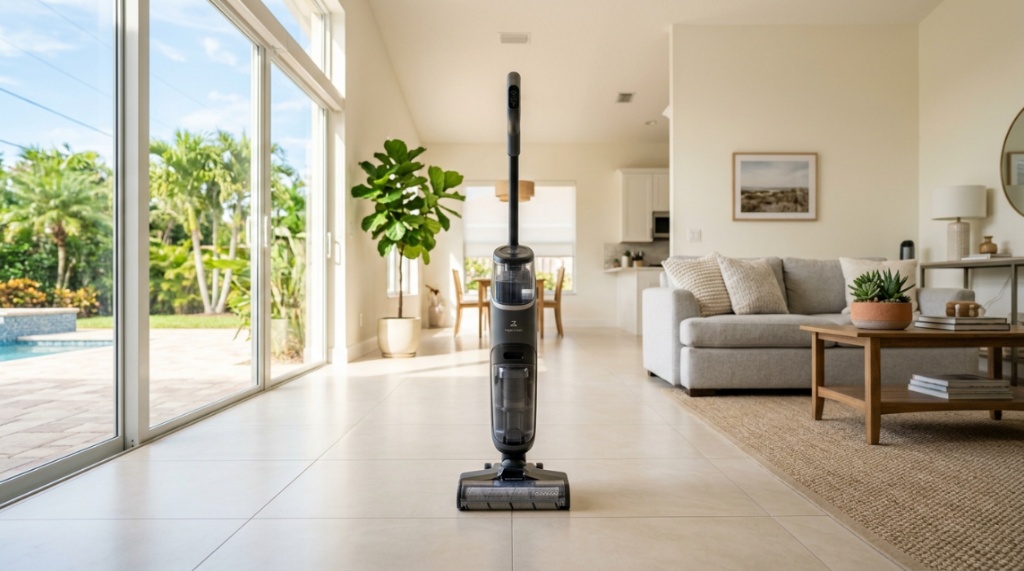
You’ve just finished hosing down your driveway after a summer storm in Tampa, and now you’re staring at a puddle that refuses to drain. Or maybe you’re cleaning out your garage in Miami and realize the dust from drywall work has coated every toolbox you own. In Florida, life is a constant battle between humidity, hurricane leftovers, and everyday messes. That’s why you need a machine that can handle both water and debris without emptying your wallet. Finding an affordable wet dry vacuum Florida residents actually trust means looking past the fancy features and focusing on what works in a subtropical climate: reliable suction, rust-proof parts, and a price tag under $100. Let’s cut through the noise and find the right shop vac for your specific Florida situation.
What makes a wet dry vacuum suitable for Florida’s climate?
High humidity and moisture resistance
Florida’s air can feel like a damp blanket. Standard vacuums with cheap plastic tanks and unsealed motors will rust or short out within months. Look for models with stainless steel or blow-molded polypropylene tanks. These materials resist corrosion when you suck up standing water after a storm. The motor housing should also have a sealed foam filter to prevent moisture from seeping into the electrical components.
Portability for multiple job sites
You might use a wet dry vac in your garage one day and in your flooded laundry room the next. Lightweight models under 12 pounds are ideal for carrying up stairs or loading into a truck. However, if you plan to tackle large volumes of water, a 10-gallon model on a wheeled dolly provides better mobility without sacrificing capacity. Think about where you’ll move the vacuum most often.
Filter systems that handle fine dust and sludge
Florida garages accumulate fine sand, pollen, and construction dust. A standard foam filter clogs quickly. Choose a vacuum that includes a pleated cartridge filter or a HEPA option. These catch particles down to 0.3 microns, which helps if you have allergies. For wet pickup, a dedicated foam sleeve filter lets you switch from dry debris to water without damaging the motor.
Which key features should you prioritize on a budget?
Suction power measured in CFM vs. peak horsepower
Ignore the peak horsepower numbers on the box; they are marketing gimmicks. Instead, check the CFM (cubic feet per minute) and water lift ratings. For most Florida home jobs, a vacuum with 90 to 120 CFM and 70 inches of water lift provides strong enough suction for wet sawdust, muddy water, and small debris. Budget models under $80 often deliver 80–100 CFM, which is acceptable for light workshop cleaning.
Hose diameter and accessory compatibility
A 2.5-inch hose moves more air than a 1.25-inch hose, but it is less flexible and harder to maneuver. For an affordable vacuum, a 1.5-inch to 2-inch hose works well for general cleanup. Look for a kit that includes a crevice tool, floor nozzle, and squeegee for wet pickup. Many budget vacuums skip these extras, forcing you to buy them separately, which kills the savings.
Tank capacity and drain port design
Smaller tanks (2–6 gallons) are fine for quick shop cleanup or car detailing. If you regularly vacuum water from a flooded patio or pool deck, get at least a 10-gallon tank. A drain port at the bottom lets you empty liquid without lifting the tank. Some budget models lack this feature, meaning you have to tip the entire vacuum to pour water out—a huge annoyance when the tank is heavy.
How do you compare affordable wet dry vacuums for value?
Price versus long-term durability
A $45 vacuum from a big-box store may tempt you, but read the reviews carefully. Many cheap units use thin plastic that cracks if you drop a tool on them. Look for reinforced casters and a thick tank wall. Spending $10 to $20 more for a model with a metal latch or an upgraded filter can double the vacuum’s lifespan. Consider that a $100 vacuum that lasts three years costs less per use than a $50 one that fails after six months.
Warranty and replacement parts availability
Some budget brands advertise a two-year warranty, but they do not stock filters or hoses locally. Before buying, check if the manufacturer sells replacement parts through major online retailers. For Florida users, having a spare foam filter and a hose adapter is essential because humidity accelerates wear. Avoid vacuums that only offer a one-year warranty—that is a red flag for low build quality.
Noise level considerations for indoor use
Wet dry vacuums are notoriously loud. Budget squirrel-cage fans can hit 85 decibels or more. If you plan to use the vacuum in a residential area or inside your house, look for models advertised as “quiet” or “low noise” that stay below 75 decibels. Some affordable units now include sound-dampening foam around the motor, which makes a real difference during extended use.
What are the best affordable wet dry vacuum choices for Florida homes?
Smaller wet dry vacs for garage and car use
For the average Florida homeowner who needs to clean car carpets, suck up spilled potting soil, and handle minor water spills, a 4–6 gallon vacuum with a 4–5 peak horsepower motor works well. Look for a model with a built-in blower port. This lets you dry off your car after a wash or blow leaves out of your garage without buying a separate leaf blower.
Mid-size units for workshop and construction debris
If you do woodworking, tile work, or heavy landscaping, choose a 10–12 gallon vacuum with at least 5 peak horsepower. A model with a 2.5-inch hose and a self-cleaning filter reduces downtime. Some affordable options include a reusable cloth filter that you can rinse with a garden hose—a lifesaver in Florida’s dusty environment.
Compact portable units for apartment or condo living
Living in a condo in Orlando or Tallahassee means limited storage space. A 2–3 gallon portable wet dry vac fits in a closet and can handle small plumbing leaks or post-hurricane window sill water. These small units often double as a handheld vacuum for furniture and pet hair. Just be aware that their small tank means you will need to empty them frequently during bigger wet pickup jobs.
Can you use a budget wet dry vacuum for hurricane cleanup?
Handling standing water after a storm
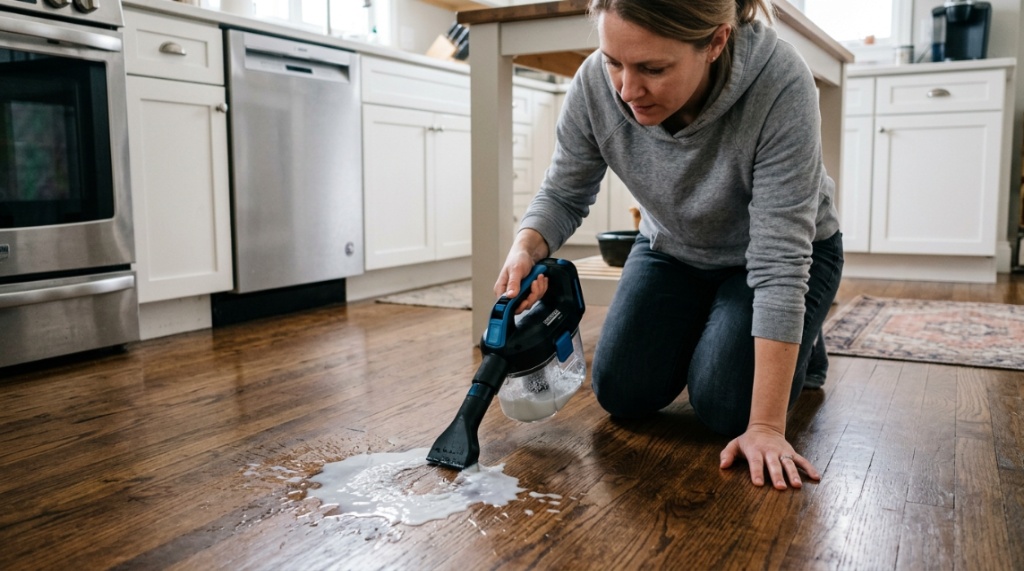
Yes, but with limitations. A budget vacuum with a 10-gallon tank and a good foam filter can remove up to 10 gallons of standing water before you need to drain it. That is useful for drying out a flooded garage or a pool screen enclosure. However, if you have a full inch of water in a 500-square-foot room, you will need to empty the tank 30 times. In that case, consider renting a water pump or buying a larger 16-gallon model.
Dealing with mud and fine debris after flooding
Flood water often contains fine silt and mud that will clog a standard filter quickly. Use the vacuum in wet mode with a dedicated foam filter. Stop every few minutes to rinse the filter with a hose, or the suction will drop off dramatically. Some budget vacuums include a mesh pre-filter that catches larger particles, extending the life of the main filter during messy cleanup.
Drying out after use to prevent mold growth
After hurricane season cleanup, your vacuum will be wet inside. Empty the tank, rinse it with clean water, and tilt it to drain. Remove all filters and let them dry completely in the sun. Wipe the hose with a dry cloth. Do not store the vacuum with a damp filter inside because black mold can develop within 48 hours, and you will inhale that mold next time you use it.
How should you maintain an affordable wet dry vacuum in Florida?
Rinsing filters after every wet pickup
After sucking up water, remove the foam filter and rinse it with a garden hose until the water runs clear. Squeeze out excess water gently—do not wring it hard or you will tear the foam. Let the filter air dry completely before reinstalling. A damp filter stored inside the tank invites bacteria and bad odors.
Cleaning the tank to prevent rust
Even plastic tanks can get grimy. Every month, fill the tank halfway with warm water and a cup of white vinegar. Swish it around and let it sit for 15 minutes, then dump and rinse. This dissolves mineral deposits from hard Florida water and kills mildew spores. Dry the tank with a towel before replacing the lid.
Storing the vacuum in a shaded, dry place
Direct Florida sun will fade and embrittle plastic components. Store the vacuum in a garage, shed, or under a covered patio. If you keep it in an outdoor storage area, cover it with a tarp or an old sheet. Do not leave it on a concrete floor where moisture can wick up into the casters.
What mistakes do Florida buyers make when choosing a wet dry vac?
Overlooking the hose length
Most budget vacuums come with a 6-foot hose. That is barely long enough to reach from your garage to your driveway. If you need to vacuum a car parked outside or clean out a screened porch, you will be moving the vacuum every few feet. Spend a few extra dollars on a model that includes a 10-foot or 12-foot hose, or buy an extension hose separately.
Buying a vacuum without a drain port
This is the top complaint on budget vacuum reviews in Florida. Without a drain port, you must tip the entire 10-gallon tank to empty dirty water. This is heavy, awkward, and often leads to spills on your floor. Always check the product photos for a small cap at the bottom of the tank. If you cannot see one, keep looking.
Ignoring accessory organization
Wet dry vacuums come with nozzles, extension wands, and squeegees. If the vacuum does not have a built-in tool holder or a storage slot for the hose, you will lose those accessories within a week. Pay attention to models that clip the hose to the side of the tank or store tools inside the tank. Organization keeps your workspace productive,Check out our guide on how to choose the Dyson Vacuum Cleaner Without Wasting Money This Year if you want to explore premium cleaning alternatives.
Where can you find reliable reviews for affordable wet dry vacuums in Florida?
User reviews from Florida-based buyers
Search for reviews specifically from users in Florida. Look for mentions of humidity, salt air, or post-hurricane use. A reviewer in Seattle might not test a vacuum in the same conditions you face. Sites like Amazon allow you to filter by region; use that feature. Focus on reviews that mention how well the vacuum held up after six months of use.
Trusted comparison websites
Some websites specialize in real-world testing of wet dry vacuums. They measure actual CFM, noise levels, and tank durability. Avoid sites that simply copy manufacturer specs. A good comparison article will rank vacuums based on real-world wet pickup speed, dry debris capacity, and filter life. Look for articles updated within the last year to reflect current models.
For a curated list of top-performing models that match Florida’s specific needs, check out the comprehensive guide on affordable wet dry vacuum Florida options. That resource breaks down ratings, tank durability, and wet pickup performance from real Florida users, saving you hours of browsing.
Local hardware store feedback
Visit a local Ace Hardware, Lowe’s, or Home Depot in Florida and talk to the floor associates. They see returns every day and know which budget vacuums come back defective. They can also tell you which brands carry replacement filters in-store. Local knowledge often beats online research when it comes to practical advice.
Frequently Asked Questions
Can I use a wet dry vacuum to clean my pool?
Yes, but only for small debris and surface algae. Use a dedicated pool vacuum head attachment. Do not submerge the vacuum or get the motor wet. Empty the tank immediately after pool use to avoid chemical residue damaging the seals.
How often should I replace the filter on a budget wet dry vac?
With regular rinsing, a foam filter lasts 3–6 months. A pleated cartridge filter lasts about 6–12 months depending on usage. Replace it immediately if you notice dust blowing out of the exhaust or a permanent drop in suction.
Is a higher tank capacity always better?
Not if you store the vacuum in a small space. A 16-gallon tank takes up much more room than a 6-gallon model. Match the capacity to your typical job size. For most Florida homeowners, a 10-gallon tank provides a good balance between capacity and storage footprint.
Can a budget wet dry vacuum pick up wet concrete or mud?
Small amounts of wet concrete or mud are fine if you clean the vacuum immediately after use. However, concrete sets quickly and can harden inside the hose or tank, damaging the vacuum. Rinse the entire system with clean water within 10 minutes of picking up wet concrete.
What should I do if my vacuum loses suction quickly?
Check the filter first. A clogged or wet filter is the most common cause. Next, inspect the hose for blockages. If both are clear, the motor brushes may be worn out. On budget vacuums, motor replacement is rarely cost-effective; it is usually better to buy a new unit.
Are cordless wet dry vacuums worth it in Florida?
Cordless models offer convenience for outdoor cleanup but have limited runtime (15–30 minutes) and less suction power. They are fine for small spills and car detailing. For hurricane cleanup or workshop use, stick with a corded model for consistent performance.
How do I prevent mold inside the tank?
After each wet use, empty the tank completely and leave the lid off for several hours to air out. Once a month, wipe the interior with a solution of one part bleach to ten parts water. Rinse thoroughly and dry. Never store the vacuum with water sitting in the tank.