

Waking up with a stiff neck is a miserable way to start the day. You’ve probably tried everything—switching sleeping positions, doing stretches—but if your pillow isn’t supporting your cervical spine, the problem will keep coming back. The challenge isn’t just finding any orthopedic pillow; it’s finding the best value cervical pillow that actually works without breaking the bank. You need a pillow that aligns your head, supports your neck curve, and holds up over time. This guide breaks down exactly what to look for, what to avoid, and how to make a smart purchase that saves you both pain and money in the long run.
What Exactly Defines a “Value” Cervical Pillow?
A value cervical pillow isn’t simply the cheapest option on the shelf. It’s the sweet spot where quality features meet a reasonable price point, ensuring you get proper spinal alignment without paying for unnecessary brand markup. True value means the pillow will last 2–3 years, provide consistent support, and genuinely relieve neck pain.
The True Cost of a Cheap Pillow
Buying a $15 flat pillow from a big-box store might seem like a bargain, but consider the hidden costs. If it doesn’t support your neck, you’ll likely wake up with stiffness or headaches, leading to missed workdays or frequent chiropractic visits. Over a year, those expenses far exceed the cost of a quality cervical pillow.
Key Features That Justify the Price
- Material Integrity: Look for high-density memory foam or responsive latex that won’t sag after three months.
- Adjustable Loft: The ability to add or remove fill allows you to customize the height, extending the pillow’s lifespan as your needs change.
- Washable Cover: A removable, breathable cover (like bamboo or cotton) prevents dust mites and keeps the pillow fresh.
Why “Premium” Doesn’t Always Mean Better
Many expensive brands charge 3–4x more for the same materials found in mid-range options. Often, you’re paying for marketing or a luxury brand name. Value comes from performance and durability, not the label on the box.
What Shape of Cervical Pillow Gives the Best Neck Support?
The best shape for neck support is typically a contoured design with a deeper dip for the head and a higher ridge for the neck. This ergonomic shape maintains the natural “C” curve of your cervical spine, preventing muscle strain and promoting proper breathing during sleep.
Contoured vs. Conventional Pillows
Standard pillows force your neck to bend at an unnatural angle, especially for side sleepers. A contoured cervical pillow cradles the head and fills the gap between your ear and shoulder, keeping the spine neutral. If you’re a back sleeper, the lower contour supports the natural lordotic curve without pushing your chin to your chest.
Understanding the “Roll” or “Bolster” Design
Some cervical pillows feature a built-in roll along the bottom edge. This provides extra support at the base of the skull, which is excellent for relieving tension headaches and upper cross syndrome. However, these can be too aggressive for petite individuals. Look for a pillow with a moderate roll height if you’re under 5’4″.
The “Butterfly” and “Wave” Shapes Explained
Butterfly pillows have a central groove for the head and wings that support the neck and shoulders, ideal for those who toss and turn. Wave-shaped pillows offer multiple zones for different sleeping positions. While these are innovative, ensure the shape isn’t too restrictive if you move a lot during the night.
How to Determine the Right Loft and Firmness for Your Sleeping Position
Your sleeping position dictates the required loft (height) and firmness. Side sleepers need a high loft (4-5 inches) to fill the space between the shoulder and head. Back sleepers need a medium loft (3-4 inches), while stomach sleepers should use the lowest loft available (2-3 inches) to prevent neck hyperextension.
Side Sleepers: High Loft, Firm Support
If you sleep on your side, your neck needs to stay parallel to your mattress. A pillow that’s too low causes the head to tilt downward, pinching nerves. Look for a firm contoured pillow that stands tall. Check the specifications: “high profile” or “queen size” lofts are usually suitable.
Back Sleepers: Medium Loft, Moderate Firmness
Back sleepers require a pillow that supports the neck without propping the head up too high. A medium loft that fills the space while keeping the forehead slightly higher than the chin is ideal. This alignment reduces snoring and prevents jaw strain.
Stomach Sleepers: Low Loft, Soft to Medium Firmness
Stomach sleeping is the most stressful for the neck because the head is usually turned to the side. The best value cervical pillow for this position is very flat and soft, almost like a feather pillow, to minimize the angle of rotation. If you struggle to breathe on your back, consider a wedge pillow instead, but prioritize the low loft.
Why Is Material Choice Critical for Temperature and Longevity?
The material determines whether the pillow sleeps hot or cool and how long it holds its shape. For a best value cervical pillow, you need a material that balances support with breathability. Gel-infused memory foam is a popular choice because it reduces heat retention while providing the necessary contouring.
Memory Foam: The Good, The Bad, and The Cool
Traditional memory foam offers excellent pressure relief but tends to trap body heat. If you’re a hot sleeper, look for “open-cell” or “gel-infused” options. These allow better air circulation. Case in point: a 100% virgin foam (not shredded) will compress better but may soften faster than a high-density variant.
Natural Latex: The Durable Alternative
Latex is naturally resistant to dust mites and mold, and it offers a bit more bounce than foam. It’s highly durable, often lasting 5+ years. However, it is denser and heavier, and some find it too firm. For a value option, Talalay latex is softer than Dunlop and is often reasonably priced.
Shredded Foam vs. Solid Foam
- Shredded Foam: Allows for adjustable loft (you can remove fill). It sleeps cooler but may flatten faster and require “fluffing” nightly.
- Solid Contour: Provides consistent, unwavering support. It lasts longer but offers no adjustability.
For most, the best value cervical pillow is a solid, gel-infused memory foam core with a removable bamboo cover. This combo provides durability, temperature control, and low maintenance.
Can a Cervical Pillow Actually Relieve Migraines and Headaches?
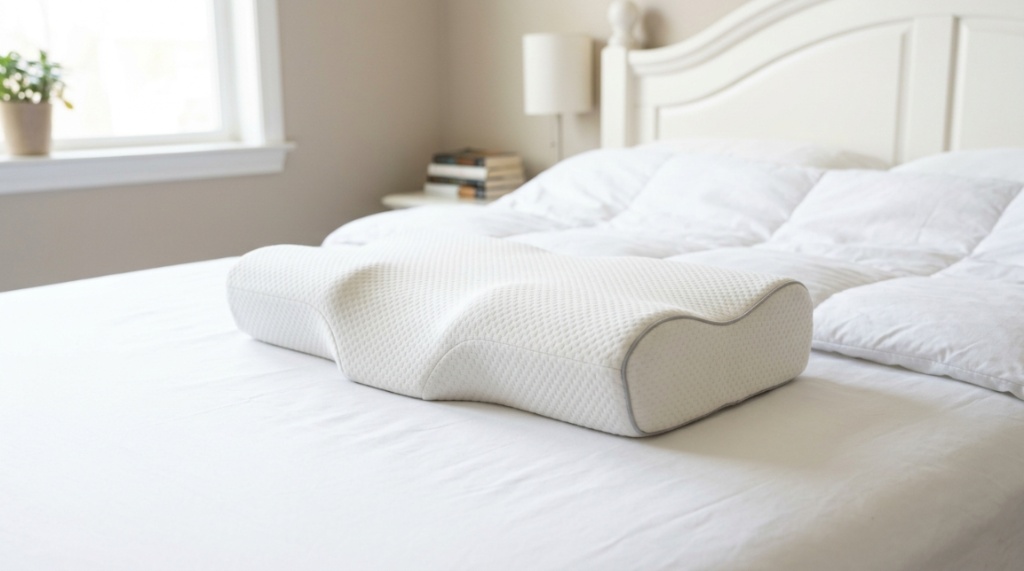
Yes, a well-designed cervical pillow can reduce the frequency and intensity of tension headaches and migraines. By supporting the neck properly, you prevent muscle spasms in the suboccipital muscles—the muscles at the base of the skull that often trigger headache pain.
The Link Between Neck Alignment and Head Pain
Poor sleep posture can compress the trigeminal nerve, which is a major pathway for migraine pain. When your neck is misaligned, it strains the upper cervical spine, irritating the brainstem. Correcting this alignment with a cervical pillow reduces nerve irritation, leading to fewer headaches.
What To Look For In A Headache-Relief Pillow
Look for a pillow with a distinct neck roll that supports the cervical spine’s lordosis. The material should be firm enough to prevent the “hammock effect” where your head sinks too deep. Avoid pillows that force your head to tilt sideways, as this aggravates the sternocleidomastoid muscle.
Adjusting Expectations: Does It Work Overnight?
It takes 3–7 nights for your body to adjust to a new pillow. Initially, you may experience slight soreness as your muscles realign. This is normal. If the pain persists after two weeks, the loft is likely wrong, and you should look for an adjustable option.
Which Cervical Pillow Materials Are Best for Allergies and Asthma?
For allergy sufferers, look for hypoallergenic materials that resist dust mites and mold. Natural latex is naturally resistant, while memory foam with a tightly woven cover can also work well. Avoid down or feather pillows, which trap dust and allergens.
Hypoallergenic Cover Fabrics
Choose a cover made from organic cotton, bamboo rayon, or a polyester microfiber with a tight weave. These prevent dust mites from entering the pillow core. A zippered, washable cover is essential for hygiene. Wash it weekly in hot water to kill any allergens.
VOC and Off-Gassing Concerns
Many memory foam pillows emit volatile organic compounds (VOCs) when new, which can trigger asthma. If you’re sensitive, look for a pillow certified by CertiPUR-US. This ensures low VOC emissions and safer materials. Let the pillow air out for 24-48 hours before use.
How to Test a Cervical Pillow Before Committing
You can’t test a pillow in a box easily, but you can simulate the conditions. Place the pillow on a hard surface (like a table) and lie down if possible. Otherwise, press your hand into the center to gauge sinkage. Better yet, look for brands that offer a 30-night trial. This is crucial for finding the best value—it mitigates the risk of buying a dud.
The “Wall Test” for Side Sleepers
Stand against a wall with your shoulder touching it. Measure the distance from the wall to the side of your neck. That measurement (in inches) is roughly the loft you need. If you have broad shoulders, you need a thicker pillow,If you are also looking to upgrade your relaxation routine outside of bedtime, check out our guide on the best quick-dry spa bath pillows for bathtubs for ultimate comfort during a soak.
Check the Return Policy
If you buy online, never skip the trial period. A reputable company offers at least 30 nights. This allows you to see if the pillow works with your mattress. A soft mattress requires a softer pillow, and a firm mattress requires a firmer pillow. The right combo is key.
The Ultimate Checklist for Buying a Cervical Pillow on a Budget
Before you click “add to cart,” review this checklist to ensure you get the best value for your specific needs. This prevents impulse buying and helps you compare apples to apples.
Must-Have Features Checklist
- Adjustable loft? (Yes for side/back sleepers who vary positions).
- Removable cover? (Yes, machine washable is preferred).
- Density rating? (Look for 4-5 lbs/cubic ft for memory foam).
- Warranty? (At least 1 year, ideally 3 years).
Comparison: $30 Pillow vs. $80 Pillow
| Feature | $30 Basic Foam | $80 Premium Value |
|---|---|---|
| Density | 3 lbs (sags quickly) | 5 lbs (holds shape) |
| Cooling Gel | No (sleeps hot) | Yes (infused) |
| Cover | Polyester (non-washable) | Bamboo (zippered) |
| Lifespan | 6 months | 3+ years |
While the $80 option costs more upfront, it’s cheaper per night of use. A $30 pillow that fails in 6 months is a worse value than an $80 pillow that lasts 36 months ($0.07 vs $0.10 per night, but with pain relief).
When Is the Right Time to Replace Your Cervical Pillow?
You should replace your cervical pillow every 18 to 24 months, depending on material quality. Signs it’s time: you wake up with a stiff neck, the pillow doesn’t bounce back when pressed, or you notice visible lumps. A worn-out pillow fails to support the spine, negating its benefits.
Signs of Wear and Tear You Shouldn’t Ignore
If the foam has developed a permanent indentation, it’s dead. Also, if you experience recurring allergies despite washing the cover, the core might be harboring dust mites. Listen to your body—if you’re worse in the morning, the pillow is the culprit.
The Link Between Pillow Age and Neck Pain Relapse
Many people ignore old pillows and wonder why their pain returns. As the foam degrades, the neck support decreases, and you return to the same misalignment. Mark your calendar to replace the pillow every two years. Consider it a health investment, not a bedding expense.
What Are the Common Mistakes to Avoid When Buying?
The most common mistake is buying the “firmest” option thinking it’s better for the neck. Too much firmness can cause pressure points. Another error is choosing a pillow based on “one size fits all” marketing, ignoring your shoulder width and sleep style.
Ignoring Your Sleeping Position
Buying a high-loft pillow when you sleep on your back will cause chin-to-chest compression, leading to breathing issues. Always identify your primary sleep position before shopping. Read the product description for recommended sleeping positions and stick to it strictly.
Choosing Fill That Is Too Soft
While a soft pillow feels luxurious, it offers zero support. Your head will sink, creating a sharp angle at the neck. This is a leading cause of morning neck pain. remember that “cervical” implies structure, not squishiness.
Not Reading Reviews for “Sagging” Complaints
Check customer reviews for words like “flattened” or “became soft after a month.” This indicates poor material quality. Look for photos in the reviews to see how it looks after use. A value pillow should have reviews that confirm durability over time.
Frequently Asked Questions
How long does it take to get used to a cervical pillow?
Most people take 3 to 7 nights to adjust to a cervical pillow. During the first few nights, you may experience mild soreness as your neck muscles stretch and realign. If pain persists or worsens after two weeks, the pillow’s loft is likely too high or too low for your body type.
Is a hard or soft cervical pillow better?
Neither “hard” nor “soft” is automatically better. The ideal firmness depends on your sleep position and body weight. A pillow that is too hard can create pressure points, while one that is too soft fails to support the cervical curve. Look for a “medium-firm” feel with responsive contouring.
Can I use a cervical pillow if I have arthritis in my neck?
Yes, a cervical pillow can be beneficial for individuals with cervical spondylosis or arthritis. It helps reduce joint stress by maintaining neutral alignment. However, you should choose a pillow with a softer “memory” feel to cushion the joints and avoid pushing the head out of alignment.
Should I buy a cervical pillow with a cooling gel?
If you tend to sleep hot, a cooling gel-infused pillow is essential. However, not all “gel” pillows are equal. Check if the gel is infused into the foam or applied as a surface layer. Infused gel is better as it distributes temperature regulation through the entire core.
Do cervical pillows work for back sleepers who snore?
Yes, proper neck alignment helps open the airway, which can reduce snoring. A cervical pillow prevents the chin from dropping toward the chest, which is a common cause of airway obstruction. Back sleepers should select a medium loft to support the head without tilting it forward.
What is the difference between a memory foam and latex cervical pillow?
Memory foam contours precisely to the shape of your head and neck, offering deep pressure relief, but it often retains heat. Latex offers a similar contour but is more responsive and bouncy, and it naturally sleeps cooler. Latex is also more durable and resistant to dust mites.
Conclusion
Finding the best value cervical pillow is about balancing support, durability, and price—it’s a decision that impacts your daily health and energy levels. We’ve walked through the critical factors: understanding your sleep position, choosing the right materials, testing loft, and avoiding common pitfalls like buying too cheap or too stiff a pillow. Remember to look for removable covers, solid foam cores, and a warranty that backs the product. Don’t settle for a pillow that only works for a few months; prioritize one that maintains its shape for years. Now, take a moment to measure your shoulder, identify your sleep position, and apply the checklist we’ve provided. Your neck—and your mornings—will thank you.